Floral and Butterfly Digital Paper: A Practical Guide to Choosing and Using Nature-Inspired Designs
Floral and butterfly digital paper has become a staple for creators across countless projects. From scrapbooking and card making to website backgrounds and product packaging, these nature-inspired patterns offer an instant way to bring warmth, elegance, and a touch of the outdoors into digital and print work. The appeal is obvious: flowers and butterflies are universally recognized symbols of beauty, growth, and transformation. But the market is flooded with options, and the difference between a polished final product and a disappointing one often comes down to choices made before you ever click download. This guide walks through the common pitfalls and practical steps to get the most out of floral and butterfly digital paper—whether you are designing wedding invitations, building a brand identity, or crafting a digital planner.
What Exactly Is Floral and Butterfly Digital Paper and Why Does It Matter?
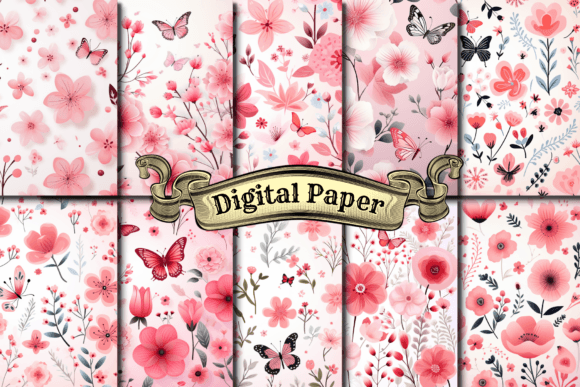
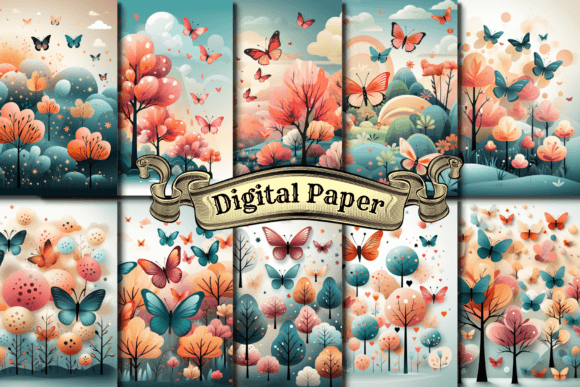
At its core, floral and butterfly digital paper refers to high-resolution image files—typically JPG or PNG—that feature repeating or seamless patterns incorporating flower motifs, butterfly imagery, or both. These files are designed to be used as backgrounds, wrapping sheets, fabric prints, or decorative elements in both digital and physical projects. What makes them so valuable is their versatility. A single set can include subtle watercolor blooms for a soft, romantic feel, bold tropical florals for a vibrant look, or delicate line-art butterflies for a minimalist aesthetic. Because the patterns repeat seamlessly, they can tile across any size surface without awkward breaks, making them suitable for everything from phone cases to wall murals.
The real power lies in how they are used. A well-chosen paper can elevate a simple design into something memorable. A poorly chosen one can clash with your content, look pixelated when printed, or cost you time as you try to fix problems that could have been avoided from the start. Understanding the nuances of resolution, color matching, licensing, and file format will save you headaches and produce results that look intentional and professional.
Mistake One: Overlooking Resolution and Print Dimensions
One of the most common errors people make is assuming any digital paper will work for any purpose. A file that looks crisp on your screen may turn into a blurry mess when printed at 8x10 inches. Resolution matters enormously. For print projects, you generally want files that are at least 300 DPI (dots per inch). If the digital paper you are considering is only 72 DPI—a common default for screen-only graphics—enlarging it for print will reveal jagged edges and soft details.
Before you buy or download floral and butterfly digital paper, check the pixel dimensions. A 12x12 inch paper at 300 DPI should be 3600x3600 pixels. If the listing only says “high resolution” without specific numbers, reach out to the seller. For digital-only use, lower resolution may work fine, but if there is any chance you will print later, invest in the higher quality upfront. You can always downsample for digital use, but you cannot effectively upscale for print without significant quality loss.
Better approach: Keep a folder of high-resolution papers (300 DPI or higher) specifically for print projects, and a separate folder of lower-resolution versions for web use. This avoids accidental mix-ups and ensures you always use the right file for the medium.
Mistake Two: Ignoring Color Profile and Print Reality
Color is where many beautiful digital papers go wrong in practice. Your monitor displays colors using the RGB (Red, Green, Blue) color space, while commercial printers typically use CMYK (Cyan, Magenta, Yellow, Key/Black). When you print an RGB file directly, the colors can shift dramatically—bright pinks may turn muddy, soft lavenders may look gray, and vibrant greens may fade. Floral and butterfly digital papers often rely on subtle color transitions, especially in watercolor or painted styles, making them especially sensitive to these shifts.
If you are designing for print, ask whether the paper is provided in both RGB and CMYK versions, or at least whether the colors are print-safe. Some designers intentionally keep their files in RGB because they know the conversion can be done later, but if you are not experienced with color management, you risk surprises at the print shop.
Better approach: Before starting your project, request a small test print of the paper from your home printer or a local print shop. Compare it to what you see on screen. Adjust your monitor calibration or the file’s color profile accordingly. Many professional designers also use soft-proofing in software like Adobe Photoshop or Affinity Photo to preview how an RGB file will look in CMYK before committing to a full print run.
Mistake Three: Neglecting Licensing and Usage Rights
Licensing is an area that trips up beginners and professionals alike, especially when floral and butterfly digital paper is used commercially. Just because you bought a digital file does not mean you have unlimited rights to use it. Some licenses allow personal use only, meaning you cannot sell products made with the paper. Others permit small-scale commercial use (like selling up to 100 items), while still others offer extended licenses for mass production or digital distribution.
If you are a small business owner selling handmade greeting cards, planners, or printables, you must check the license terms. Using a personal-use-only paper in a product you sell could lead to a takedown notice or, in rare cases, legal action. Even if the risk seems small, it is worth respecting the creator’s terms—they built their business around those designs, and fair use benefits everyone.
Better approach: Make a habit of reading the license terms before purchasing. Save a copy of the license or a screenshot of the product page that states usage rights. For commercial projects, look for papers labeled “commercial use included” or “extended license available.” If the terms are unclear, message the seller. Most reputable designers are happy to clarify.
Mistake Four: Choosing Patterns That Compete With Your Content
Floral and butterfly digital paper is meant to enhance your project, not overwhelm it. A common mistake is selecting a pattern that is so busy or high-contrast that it competes with text, photos, or other design elements. For example, a dense cluster of bright red roses and vivid blue butterflies behind a paragraph of black text can make the text nearly unreadable. The same principle applies to product packaging—if the paper is too loud, the product name or brand logo gets lost.
This mistake often comes from enthusiasm. The paper is beautiful on its own, so it is tempting to use it as the hero element. But good design is about balance. The paper should serve the overall composition, not dominate it.
Better approach: Consider the role of the paper in your project. Is it a background, an accent, or a full wrap? For backgrounds with text, choose papers with lower contrast, softer colors, and more negative space. For accent pieces like tags or borders, you can use bolder patterns. If you love a particularly busy design, try using it as a small patch or overlay with reduced opacity. This preserves the beauty while maintaining readability and focus.
Mistake Five: Forgetting to Test Seamless Tiling
Not all floral and butterfly digital paper is truly seamless. Some designs repeat in a way that creates visible lines or shifts in the pattern when tiled across a larger surface. This can be a major disappointment if you are trying to cover a wide background, wrap a gift box, or create a repeating wallpaper for a website. The seam can break the illusion of a continuous design and make your project look unfinished.
The issue is often subtle. A pattern may tile horizontally but shift noticeably vertically, or the placement of flowers and butterflies may create an uneven visual rhythm. Even small inconsistencies become obvious once the paper is repeated multiple times.
Better approach: Before committing to a large project, test the paper in your design software. Create a document that tiles the pattern at least three times in both directions. Zoom in and examine the borders. If there are visible seams or abrupt changes in density, consider a different paper. Many reputable designers include a seamless guarantee or provide a preview of the tiled pattern in their product listing. Look for that assurance.
Mistake Six: Downloading From Unreliable Sources
The convenience of free or cheap digital paper can be tempting, but low-quality sources often come with hidden costs. Files may be poorly scanned, have watermarks baked into the image, lack color accuracy, or contain embedded metadata that causes compatibility issues. Worse, some free papers are illegally redistributed from original artists, meaning you could be using stolen work without knowing it.
For professionals and serious hobbyists, paying for high-quality floral and butterfly digital paper from established designers or reputable marketplaces is almost always worth the investment. You get cleaner files, proper licensing, and often customer support if something goes wrong. Free resources have their place—for mockups, personal projects, or practice—but for client work or products you intend to sell, do not cut corners.
Better approach: Build relationships with a few trusted designers or shops whose style matches your needs. Follow them on social media to stay updated on new releases. When you find a quality set, check if the designer offers bundle deals or loyalty discounts. Over time, you will build a library of papers you know you can rely on.
What to Check Before Making a Final Decision
Before you click purchase or download on any floral and butterfly digital paper, run through this short checklist:
- Resolution: Is it at least 300 DPI for print projects?
- Dimensions: Does the file size match the scale of your intended use?
- Color profile: Is it available in CMYK or print-safe RGB?
- Licensing: Does the license match your intended use (personal, commercial, or extended)?
- Seamless design: Has the pattern been verified to tile without visible seams?
- File format: Are you getting PNG (for transparent elements) or high-quality JPG (for backgrounds)?
- Source reputation: Is the seller or marketplace known for quality and ethical practices?
Taking five minutes to verify these details can save hours of rework and frustration later.
Making Floral and Butterfly Digital Paper Work for You
The best results come when you treat digital paper as a deliberate design element rather than an afterthought. Start with a clear idea of the mood you want to create. Soft pastel florals with delicate butterflies work well for baby showers, wedding stationery, and feminine branding. Bold, tropical patterns suit summer events, travel blogs, and vibrant product lines. Monochromatic floral patterns with subtle butterfly accents can add texture without distracting from content.
Experiment with scale. Many designers include multiple variations of the same pattern at different scales (small, medium, large). A pattern that looks too busy at full size may be perfect when reduced to a smaller scale, and vice versa. Do not be afraid to resize the paper in your software to find the right balance for your specific project.
Layer your papers. Use a floral butterfly paper as a full background, then add a second paper with a complementary pattern as a border or overlay. This creates depth and visual interest without overwhelming the viewer. Just ensure the two patterns share a similar color palette to avoid clashing.
Finally, keep a consistent naming system for your digital paper files. Include the designer name, pattern name, color family, and resolution in the filename. When you have hundreds of papers in your library, being able to search and sort quickly will save you time and help you reuse your best finds across multiple projects.
Floral and butterfly digital paper is a versatile, beautiful resource when handled with care. By avoiding the common mistakes around resolution, color, licensing, pattern selection, tiling, and source quality, you set yourself up for projects that look polished, professional, and true to your creative vision. Whether you are a beginner making your first scrapbook page or a seasoned entrepreneur designing a product line, the right paper—used the right way—makes all the difference.