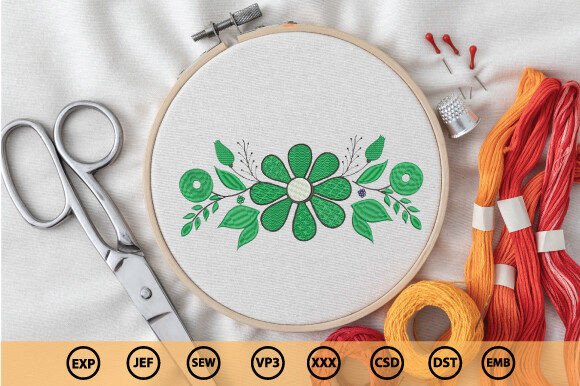
The Floral Motif: A Practical Guide to Incorporating Nature's Patterns into Your Life and Design
Whether you are redecorating your living room, refreshing your brand identity, or simply looking for a way to bring more calm into your daily environment, the floral motif offers a surprisingly versatile solution. Far more than just a pretty pattern, a floral motif is a deliberate, repeated design element inspired by flowers, leaves, vines, or blossoms. Used across cultures and centuries, it remains one of the most powerful tools for adding warmth, structure, and emotional resonance to any space or product. This guide focuses not on abstract aesthetics, but on how you can use floral motifs to solve real-world challenges—from creating a welcoming home to making your professional work stand out.
Understanding the Floral Motif: More Than Decoration
A floral motif is any recurring floral or botanical pattern that serves as a unifying visual theme. It can be obvious, like a bold wallpaper print of roses, or subtle, like a delicate embroidered border on a linen napkin. The key is repetition and intentionality. Unlike a single image of a flower, a motif weaves through a design, creating rhythm and continuity.
This makes it incredibly practical. A well-chosen floral motif can tie together disparate elements in a room, guide the eye through a website, or build brand recognition on packaging. It is not about covering everything in petals; it is about using a floral element as a consistent visual anchor. For adults juggling busy lives, this means you can achieve a polished, cohesive look without a complete overhaul. One strategic application of a floral motif can unify a space or product line more effectively than dozens of mismatched decorative items.
Common Challenges and Goals: Why You Might Need a Floral Motif
Many people want a space or design that feels personal, warm, and inviting, but struggle with common obstacles:
- Lack of cohesion: Your home or project has individual pieces you love, but they don't seem to belong together.
- Sterility or coldness: Modern minimalist designs often feel clean but lack soul or comfort.
- Overwhelm: Too many competing patterns or colors create visual chaos rather than harmony.
- Emotional flatness: You want a design that evokes a specific feeling—calm, energy, nostalgia—but don't know how to achieve it.
The goal is often to create a space or product that feels coherent, welcoming, and emotionally resonant without requiring constant upkeep or endless purchases. A floral motif addresses these needs by providing a natural, human-centric pattern that instantly softens hard edges and connects us to the outdoors. It is one of the most effective ways to inject personality and warmth into a design while maintaining visual order.
How a Floral Motif Helps Address These Situations
When you introduce a floral motif, you are not just adding decoration—you are introducing a system. Because a motif repeats, it creates visual ties between different areas. For instance, using the same floral motif on throw pillows, the inside of a bookshelf, and a lampshade can pull an entire room together. The repetition signals to the brain that these elements belong to a single, intentional composition.
Moreover, floral motifs are inherently scalable. A large-scale floral motif on a feature wall can become a dramatic focal point, while a tiny repeating floral border on a shelf makes a subtle, calming statement. This flexibility means you can address both bold and quiet needs with the same tool. For those seeking a sense of calm, stylized botanical motifs with soft, repeating leaves can lower visual noise. For energy and vibrancy, bold, oversized floral patterns inject life and movement.
Another key benefit is emotional connection. Humans have a built-in affinity for nature—a concept known as biophilia. Incorporating a floral motif taps into this innate preference, making environments feel more restorative and less stressful. For a home office or a healthcare space, this is not just a nice-to-have; it can directly improve mood and productivity.
In Interior Design
Start with a single statement piece that carries your chosen floral motif. A sofa with a floral upholstery, a rug with a repeating vine pattern, or curtains with a delicate botanical print can define the whole room. Then, pull small accents (pillows, vases, art prints) that echo the same motif or use complementary colors from it. This creates depth without competition. A common pitfall is mixing too many floral motifs of different styles; stick to one dominant floral motif and use solid colors or simple textures for the rest.
In Fashion and Personal Style
A floral motif can be a signature element in your wardrobe. Consider a scarf with a repeating floral pattern that you use to tie together neutral outfits. For a more dramatic approach, a blouse or dress with a distinct floral motif becomes an instant anchor for accessories. The key is repetition over time—wearing a consistent floral motif (like a specific print or flower shape) can become a personal style marker.
In Branding and Digital Design
For entrepreneurs and professionals, a floral motif in your logo, website, or packaging can convey qualities like growth, natural care, and authenticity. Use it sparingly: a subtle floral pattern on a business card, a repeating leaf motif in the background of a website header, or a stylized flower icon in your social media graphics. The goal is recognition and emotional association. A florist or wellness brand might use a bold, detailed floral motif; a tech startup might use a minimalist, geometric floral motif to signal innovation grounded in organic thinking.
In Events and Occasions
Weddings, parties, or corporate events benefit immensely from a unifying floral motif. Instead of using random flower arrangements, pick one flower or leaf shape and repeat it in invitations, table linens, centerpieces, and even signage. This creates a cohesive, professional look that guests will remember. It also simplifies planning: you only need to source or design around one motif.
Examples and Recommendations for Effective Use
Let us look at three common scenarios and how a floral motif might be implemented:
- The cozy living room: Use a medium-scale floral motif in warm tones (rust, mustard, deep green) on an accent chair. Match it with a simple cream sofa and a textured jute rug. Add a few small cushions that pick up the same floral motif. The result is a room that feels curated yet relaxed.
- The professional website: Choose a simplified line-art floral motif as a subtle pattern in the page background or footer. Use it consistently across blog post headers and call-to-action buttons. Pair it with clean sans-serif fonts and a soft color palette. This approach communicates attention to detail and a brand that cares about beauty as well as function.
- The small home office: Incorporate a floral motif through a desk mat or a framed print. The motif should be calming—think monotone or watercolor-style botanicals. Avoid busy patterns that distract during video calls, but let the motif create a sense of personal sanctuary in your workspace.
Recommendation: When selecting a floral motif, consider the scale, color, and level of detail. Large motifs suit larger spaces, while small repeats work well in tight areas. Stick to two or three colors from the motif for your other design elements. And always test the motif in context—a sample swatch or digital mockup saves costly mistakes.
Tailoring the Floral Motif to Different Users
Your relationship with a floral motif will depend on your personal style and needs:
- Minimalists: You might resist floral patterns for fear of clutter. Instead, choose a single, abstract floral motif in a monochromatic palette. A white-on-white embroidered floral motif on a throw or a subtle grey floral wallpaper can add depth without breaking your clean aesthetic.
- Maximalists: You can embrace bold, multiple floral motifs, but try to keep a common color thread or a consistent shape. For example, mix a large-scale rose motif with a smaller leaf motif, both in the same red and green tones. This creates the exuberance you love while maintaining visual logic.
- Professionals (e.g., designers, business owners): Use a floral motif as a strategic branding asset. Custom design a motif that is unique to your company. This could be a stylized flower derived from your product or company name. Use it consistently across all touchpoints—letterhead, packaging, website, and social media—to build strong brand recognition.
- Busy parents: Practicality is key. Choose a floral motif for items that can handle wear and tear, like a hard-wearing rug with a floral pattern that hides stains, or a set of washable cushion covers with a floral print that can be swapped seasonally. A floral motif on window treatments can soften a room without adding maintenance.
Implementation Tips for Lasting Results
To make a floral motif work for you, start with these actionable steps:
- Identify the mood you want. Calm? Use soft, muted floral motifs with lots of negative space. Energetic? Choose bright, large-scale motifs with high contrast.
- Pick one anchor piece. This could be a fabric, a wallpaper, a logo element, or an accessory. Let that piece guide your color palette and motif style.
- Limit the motif count. In most cases, one dominant floral motif is enough. Add one or two complementary solid colors or organic textures (wood, linen, stone) to support it.
- Test and adjust. Live with a sample or digital preview for a few days. Does the floral motif feel too loud? Too dull? Scale and color are easier to change than the motif itself.
- Consider longevity. A floral motif that is very trendy might date quickly. Classic motifs (like acanthus leaves, stylized roses, or simple daisies) tend to remain appealing longer. If you want flexibility, use the floral motif on easily replaceable items like cushions or accessories rather than permanent fixtures.
The floral motif is not just a decorative choice; it is a design tool with real problem-solving potential. By understanding how repetition, scale, and emotional resonance work, you can use floral motifs to create spaces, products, and personal styles that feel intentional, comforting, and uniquely yours. Start small, stay consistent, and let the motif do the heavy lifting of visual unity.