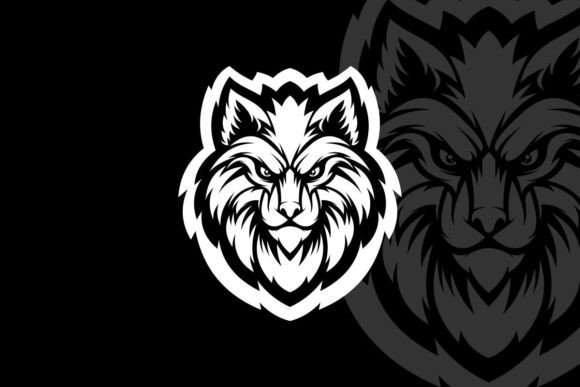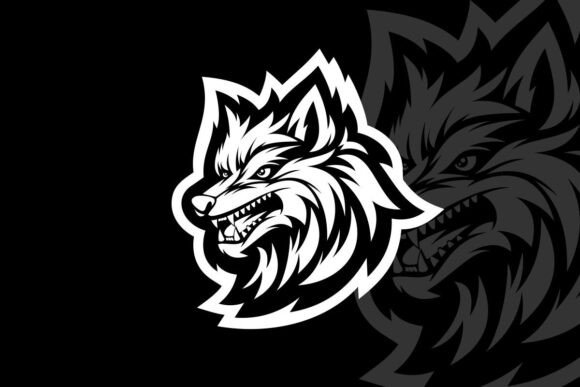
The Angry Wolf Mascot in Esports Logo Design: Symbolism, Strategy, and Branding Power
In the competitive arena of esports, where milliseconds decide victory and brand recognition can make or break a team, the angry wolf mascot has emerged as one of the most enduring and powerful visual symbols. From amateur tournaments to global championship stages, the snarling, fierce wolf has become synonymous with aggression, teamwork, and relentless pursuit of victory. This article unpacks the phenomenon of the angry wolf mascot in esports logo design, exploring its origins, psychological impact, design principles, and practical relevance for teams, organizations, and fans alike.
Whether you are a team owner considering a rebrand, a player looking to understand the culture, or simply curious about why wolves dominate esports aesthetics, this guide will walk you through everything you need to know about one of gaming's most iconic motifs.
Why the Wolf? The Deep Roots of a Predator Symbol
Wolves have captivated human imagination for millennia. In folklore, mythology, and modern media, they represent a unique blend of traits that resonate deeply with competitive gaming: loyalty to the pack, strategic hunting, raw power, and an unbreakable will to survive. Unlike lions or eagles, which symbolize individual royalty or solitary dominance, the wolf embodies collective strength—a perfect metaphor for a team sport where coordination and trust are everything.
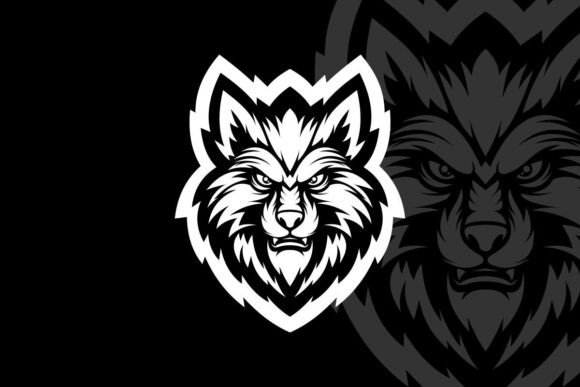
In the context of esports, the angry wolf mascot amplifies these characteristics with a specific emotional charge. The bared teeth, furrowed brow, and glowing eyes communicate that this team is not just playing—they are hunting for victory. The anger is not mindless rage but focused, competitive intensity. It says, "We are here to take the win, and we will not be intimidated."
Key symbolic associations of the wolf in esports:
- Pack mentality: Emphasizes teamwork, communication, and mutual support.
- Strategic intelligence: Wolves hunt with precision and adaptability, mirroring high-level gameplay.
- Territorial dominance: The angry expression stakes a claim—this is our game, our map, our victory.
- Resilience: Wolves endure harsh conditions; esports players face grueling practice schedules and high-pressure matches.
- Ferocity without cruelty: The aggression is sportive, not malicious—a crucial distinction for brand ethics.
The Anatomy of an Effective Angry Wolf Esports Logo
Creating a memorable angry wolf mascot logo is not simply about drawing a mean-looking canine. The most iconic designs—think Fnatic, TSM, or countless regional teams—follow a set of visual principles that ensure instant recognition, scalability, and emotional impact. Understanding these principles helps teams and designers craft logos that stand out on jerseys, stream overlays, and mobile screens alike.
Essential design elements of a successful angry wolf logo
- Distinctive silhouette: The best logos work even in black-and-white or at tiny icon sizes. A clear, recognizable outline ensures the wolf is identifiable whether it is on a billboard or a Discord avatar.
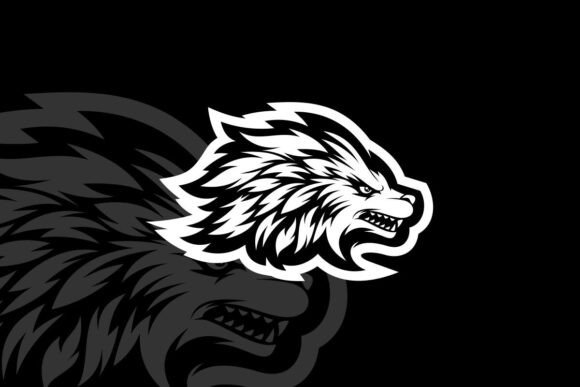
- Exaggerated features: Enlarged eyes, pronounced fangs, and a dramatic brow ridge amplify the "anger" emotion. Subtlety is often lost in small digital displays, so bold features carry the emotional message.
- Dynamic asymmetry: A slightly tilted head, an uneven snarl, or asymmetrical fur tufts create a sense of motion and unpredictability. This mirrors the fast-paced, fluid nature of esports.
- Color psychology: Red and black dominate aggressive logos, but blue-grey, silver, and even neon accents are common. Red communicates urgency and danger; black adds authority; cool tones suggest precision and calm under pressure.
- Integrated negative space: Many top logos hide a secondary shape—a claw, a fang, or even a game controller—in the negative space of the wolf's face. This rewards repeat viewing and deepens brand depth.
A common misunderstanding is that a more detailed logo is better. In reality, the opposite is true for esports. Logos are viewed across dozens of platforms, from 16x16 pixel browser tabs to 4K live streams. Simplicity with a strong central idea always outperforms complexity that turns to mush at small sizes.
Psychological Impact: What the Angry Wolf Communicates to Fans and Opponents
Branding is emotional communication. The angry wolf mascot sends distinct messages to different audiences, and understanding this psychological layer helps teams use their logo strategically.
To fans and supporters:
The wolf mascot builds a sense of belonging. Fans become part of the "pack." When a viewer wears a hoodie with a snarling wolf, they are not just supporting a team—they are adopting the identity of a hunter. This fosters deep loyalty and creates a community that rallies around the symbol. The anger in the logo channels the passion of fans, giving visual form to the intensity they feel during matches.
To opponents:
The angry wolf serves as a psychological weapon. Before a match even begins, the logo communicates: You are facing a predator. It can subtly unsettle opponents, especially in best-of-series where repeated exposure to the symbol reinforces the message of dominance. In a sport where mental fortitude is half the battle, this edge matters.
To sponsors and partners:
A well-designed angry wolf logo signals professionalism and marketability. Brands want to associate with teams that project strength, consistency, and a clear identity. The wolf archetype is universally understood across cultures, making it an asset for international tournaments and global sponsorships.
It is worth noting that the "anger" in these logos is often misinterpreted as toxicity or unsportsmanlike behavior. In practice, the esports community generally understands the distinction between competitive intensity and poor conduct. The angry wolf represents the fire of competition, not disrespect. Teams that pair their fierce mascot with positive community values often enjoy the strongest reputations.
Practical Relevance: From Logo to Brand Ecosystem
An angry wolf mascot is rarely just a logo. It becomes the foundation of a team's entire brand ecosystem. In modern esports, where revenue streams include merchandise, streaming, content creation, and live events, a flexible and expandable mascot design is invaluable.
How the wolf translates across media:
- Merchandise: Apparel, mousepads, posters, and even in-game items all feature the wolf. A clean logo adapts to embroidery, print, and digital rendering without losing quality.
- Social media: Profile pictures, banner images, and animated variants keep the brand visible across platforms. Animated wolves that growl or pulse add energy to livestreams.
- Video production: Intro sequences, transition animations, and victory screens often feature the wolf as a central character. This creates a cohesive viewing experience.
- Community content: Fan art, memes, and custom skins often remix the wolf, turning the brand into a cultural object that fans actively engage with.
One practical example is the European esports organization Fnatic. While not a wolf, their aggressive feline mascot follows the same principles. Another is Team SoloMid (TSM), whose logo has evolved but consistently features a sharp, predatory aesthetic. Countless regional teams in games like League of Legends, Counter-Strike: Global Offensive, and Valorant have adopted wolf motifs, proving the archetype's global appeal.
Common Misconceptions About the Angry Wolf Mascot
Despite its popularity, several misunderstandings persist about using an angry wolf in esports branding. Clarifying these helps teams make informed decisions.
Misconception 1: "An angry wolf is too aggressive for family-friendly audiences"
Many esports viewers are teenagers and young adults who appreciate intensity. Moreover, the anger is stylized—it is clearly a cartoon or stylized representation, not photorealistic violence. Platforms like Twitch and YouTube have guidelines, but a well-designed wolf logo rarely violates them.
Misconception 2: "Wolf logos are overused and unoriginal"
While wolves are common, each team's execution can be unique. The silhouette, expression, color palette, and integration with team name create infinite possibilities. The challenge is not to avoid wolves but to design one that is genuinely distinctive.
Misconception 3: "The logo alone will build a brand"
A logo is a tool, not a strategy. The angry wolf can attract attention, but the team's performance, community engagement, and values determine long-term brand strength. The best logos amplify an existing identity; they cannot create one from nothing.
Designing Your Own Angry Wolf Mascot: A Practical Framework
If you are reading this because you are considering creating or updating an esports logo with an angry wolf mascot, here is a step-by-step framework to guide the process.
- Define your team's personality: Is your team aggressive or methodical? Youthful or experienced? The wolf's expression should match your competitive style.
- Choose a style direction: Minimalist flat design, detailed illustration, geometric abstraction, or cartoonish mascot? Each suits different game genres and audience demographics.
- Prioritize scalability from the start: Design at large scale, then test at 32x32 pixels. If the emotion is lost, simplify.
- Iterate with community feedback: Show draft versions to fans. Their emotional reaction is the ultimate test of whether the wolf works.
- Build brand guidelines: Document acceptable colors, proportions, and usage rules. Consistency across all touchpoints builds recognition.
Remember that a logo is a long-term asset. The best esports brands evolve their logos slowly, maintaining core elements while refreshing details to stay current. The angry wolf mascot, with its deep archetypal roots and powerful emotional charge, is a foundation that can support a team's identity for years—even decades—as esports continues to grow into a global cultural force.
The Future of the Angry Wolf in Esports Branding
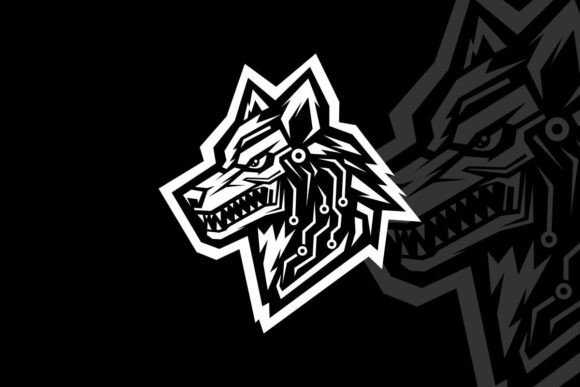
As esports becomes more mainstream and professional, branding will only grow in importance. The angry wolf mascot is likely to remain a staple, but it will evolve alongside design trends and audience expectations. We are already seeing more inclusive and diverse representations of wolves, including cybernetic variants, spectral wolves, and wolves merged with other symbols. The core emotion—competitive fire—stays the same, but the visual language continues to expand.
In a digital world where attention is scarce, a powerful symbol cuts through the noise. The angry wolf mascot, when designed with care and deployed with consistency, is not just a logo. It is a declaration of intent, a rallying point for community, and a visual shorthand for everything that makes esports thrilling. Whether you are a fan, a player, or a creator, understanding this icon enriches your appreciation of the game.