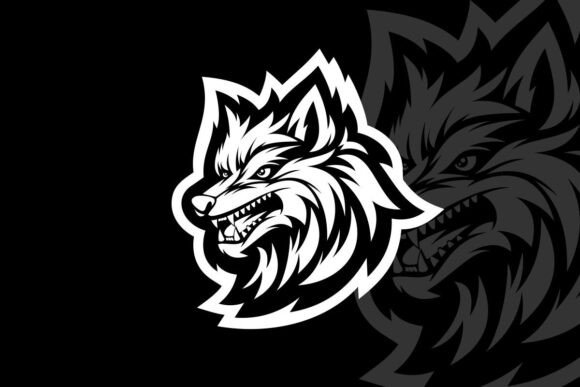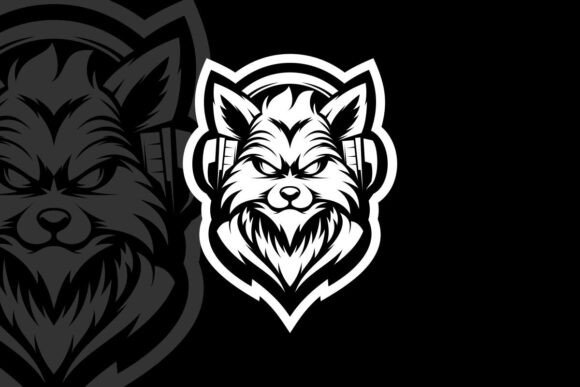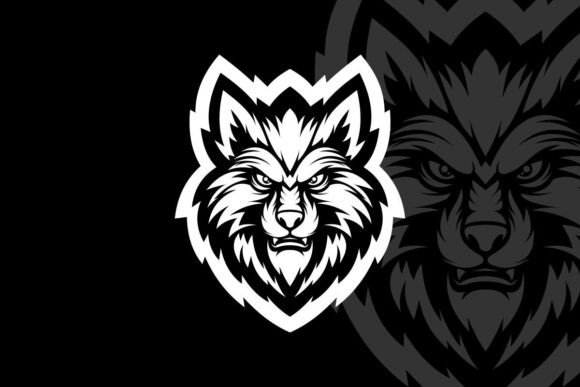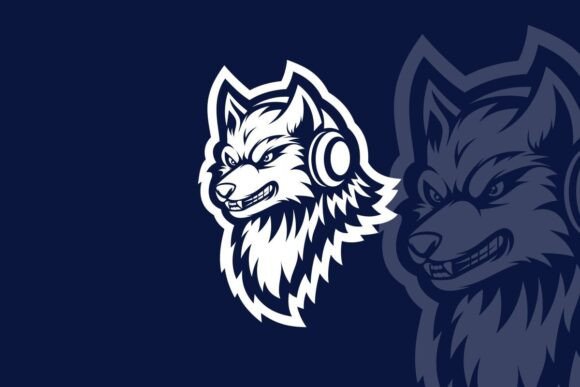
Angry Wolf Mascot Logo Design Guide
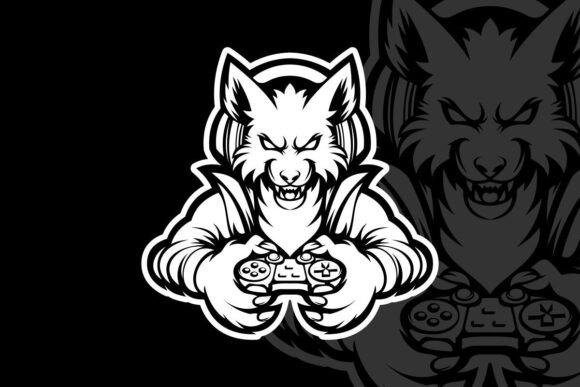
Few visual symbols command attention quite like an angry wolf mascot character logo design. Whether you are building a sports brand, a gaming studio, or a rugged outdoor apparel line, this fierce archetype instantly communicates strength, loyalty, and untamed energy. For graphic designers and brand strategists, understanding how to harness the raw power of this motif without sacrificing refinement is essential to creating a logo that resonates deeply with audiences and endures across every touchpoint.
Why the Angry Wolf Resonates in Modern Branding
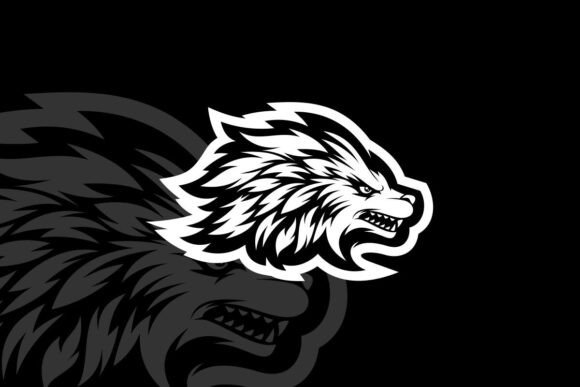
In the crowded landscape of brand identity, visual shortcuts matter. The wolf silhouette, with its sharp ears, penetrating eyes, and pronounced snout, offers immediate recognition. When rendered with an aggressive expression, the mascot shifts from a mere animal illustration to a psychological trigger. It suggests protection, ferocity, and a pack mentality—qualities that align naturally with team sports, security services, and high-stakes digital entertainment. From a graphic design perspective, this character provides a rich foundation for exploring contrast, texture, and dynamic composition. The interplay between angular jawlines and flowing fur lines creates a visual hierarchy that guides the viewer's eye from the snarl to the eyes, establishing a memorable focal point.
Navigating the Line Between Fierce and Frightening
A common pitfall in logo design is overcomplicating the mascot. Too many jagged details can make the mark illegible at small sizes, damaging its utility in digital marketing and social media graphics. The most effective angry wolf mascot character logo design relies on a clear silhouette and carefully chosen negative space. Consider the wolf's eye; a simple slit shape with a small highlight conveys more menace than a dozen fur strokes. Likewise, the arrangement of teeth should be simplified to a few key triangles rather than a full dental chart. This restraint ensures the logo remains scalable for web design, UI design, and packaging design without losing its edge.
Practical Applications Across Creative Projects
The versatility of a well-crafted wolf mascot extends far beyond a primary company logo. Here are high-impact use cases where this visual asset elevates brand identity:
- Sports and esports jerseys — A chest-embroidered wolf creates an instant sense of team unity.
- Merchandise — T-shirts, hats, and hoodies benefit from a bold, single-color version of the mark.
- App icons and favicons — A simplified wolf head works exceptionally well in circular or square crop formats.
- Editorial design — Magazine covers or gaming guides use the mascot as a powerful full-bleed graphic element.
In advertising campaigns, the wolf can be animated for video intros or used as a static watermark across print ads. Its high contrast makes it ideal for one-color printing on promotional products, reducing costs while maintaining professional presentation. When paired with a complementary color palette—think charcoal grays with a single neon accent—the design feels both aggressive and modern.
Typography and Composition Pairings
Your angry wolf mascot character logo design will rarely stand alone. It must coexist with your brand name, tagline, or other graphic elements. Typography choices should echo the wolf's personality. Bold sans-serif fonts with sharp terminals, such as Heavyweight or Industry Black, reinforce the angular nature of the illustration. Avoid rounded or overly friendly typefaces, as they will clash with the mascot's intensity. When arranging the lockup, place the wolf to the left of the text to create a natural reading flow. This layout respects standard visual hierarchy and works well across web design and packaging design alike.
Color Psychology and Readability
Monochrome palettes are the safest starting point for a wolf mascot. Black, white, and gray ensure maximum contrast, which is critical for print design and signage. However, adding a single accent color can amplify the emotional impact. Red accents for the eyes or snout introduce a sense of danger; metallic silver or blue adds a futuristic, tech-oriented feel. When selecting your palette, test the logo in grayscale first. If it loses clarity without color, revisit the silhouette. This step is particularly important for social media graphics and digital products where users may view the logo on low-brightness screens or as a tiny thumbnail.
Consistency Across Brand Systems
Once your wolf mascot is finalized, create a usage guide that defines minimum size, clear space, and color variations. This ensures that whether the logo appears on a billboard or a mobile app icon, it remains recognizable and impactful. Design trends come and go, but a well-constructed mascot built on strong geometry will serve a brand for years. Avoid heavily rendered shading or gradient effects if you plan to use the logo in print design or on merchandise, as these details rarely translate well to embroidery or screen printing.
Final Thoughts on Building with Purpose
Thoughtful angry wolf mascot character logo design is more than a stylistic exercise—it is a strategic tool for communication. Every line, curve, and negative space shape influences how your audience perceives trust, energy, and professionalism. By prioritizing simplicity, scalability, and emotional clarity, you create a creative asset that enhances brand identity across every medium. Whether you are crafting a UI design for a gaming startup or a packaging design for an energy drink, the wolf's silent snarl speaks volumes. Let the design be intentional, the execution precise, and the visual story unforgettable.