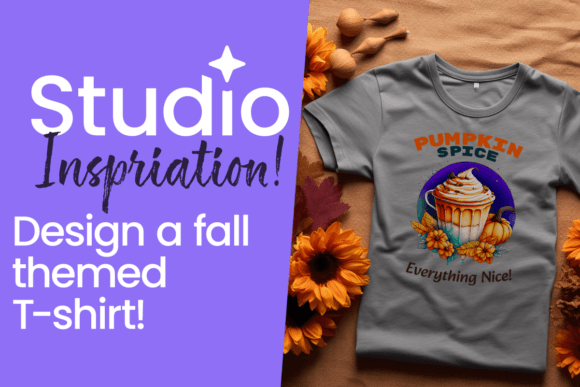
Design a Fall Themed T-Shirt That Captures the Season’s Spirit
When the air turns crisp and leaves begin to crunch underfoot, there is a natural urge to wear the season. Fall is one of the most visually evocative times of the year, and a well-crafted t-shirt can carry that feeling into daily life. Whether you are a small brand owner looking for a seasonal bestseller, a custom apparel creator, or just someone who loves autumn, learning how to design a fall themed t-shirt involves more than picking a pumpkin graphic and calling it done. The best designs capture the textures, moods, and colors that make fall so beloved.
This article walks through the essential considerations, practical steps, and creative opportunities that come with designing a fall-themed t-shirt. From color psychology to typography choices, and from printing methods to marketing angles, you will find everything you need to produce a shirt that people actually want to wear from September through November.
Why Fall T‑Shirts Have a Unique Appeal
Unlike summer tees that lean into beach humor or winter sweaters built for warmth, fall t-shirts occupy a sweet spot. They are comfortable enough for layering under a flannel or jacket, but they also stand alone indoors. The fall season is tied to nostalgia—apple picking, hayrides, football games, and the start of the holiday season. When you design a fall themed t-shirt, you are tapping into that emotional reservoir. People buy these shirts not just for the garment, but for the feeling of belonging to a season that feels cozy and slow.
From a retail perspective, fall releases also generate urgency. The season is short, so shoppers are more likely to make a purchase before the window closes. That sense of limited availability can drive conversions, especially when the design feels authentic and not just a generic holiday cash-grab.
Color Palettes That Define Autumn
Color is arguably the most powerful tool in your design arsenal when you design a fall themed t-shirt. The wrong palette can feel like a leftover Easter egg, while the right one instantly transports the viewer to a pumpkin patch or a forest trail. Think beyond orange and brown. While those are staples, consider the full range of fall hues:
- Burnt orange and rust for warmth
- Mustard yellow for a vintage, earthy vibe
- Olive green and forest green to ground the design
- Maroon and wine for richness
- Cream and ivory as neutral counterpoints
- Navy and charcoal for contrast and depth
One effective approach is to use a lighter base shirt—cream or heather oatmeal—and print a multi-tonal design on top. Another is to go dark, like a deep olive tee with a mustard graphic. Either way, avoid making the design too busy. Two to four colors in harmony will look much more professional than a rainbow of autumn shades competing for attention.
Iconography and Symbolism
When you set out to design a fall themed t-shirt, you have a rich library of imagery to draw from. However, the difference between a memorable shirt and a forgettable one often comes down to how you treat the symbols. Classic icons include pumpkins, acorns, leaves, scarecrows, and wood textures. But more abstract or stylized interpretations tend to stand out more.
Consider a minimalist line drawing of a single oak leaf with a subtle gradient. Or a geometric pattern of staggered pumpkins. If you lean into humor, a witty phrase like “Sweater Weather Enthusiast” or “Calories Don’t Count in a Corn Maze” can pair well with a small, simple icon. The key is cohesion. If your design combines a realistic squirrel with a handwritten font and a comic-style pumpkin, the visual confusion will make the shirt feel amateurish. Choose one style—vintage, modern, hand-drawn, or bold—and stick with it throughout the graphic.
Another emerging trend is the nature-appreciation angle. Instead of a pumpkin, use pinecones, mushrooms, or the silhouette of a deer. These images evoke the outdoorsy side of fall and appeal to nature lovers who might skip a cutesy harvest design.
Typography That Fits the Season
If your design a fall themed t-shirt includes text, the font choice can make or break the final look. Fall has a distinct typographic personality. Serif fonts with thick and thin contrasts—like a modern take on a classic slab serif—feel grounded and harvest-like. Script fonts that lean handwritten rather than formal can mimic the organic feel of falling leaves. Avoid overly clean sans-serif fonts unless they are paired with a highly stylized graphic that balances them.
A good rule of thumb is to limit your design to two typefaces at most. One for a headline or main phrase, and one for secondary text. For example, a bold, condensed sans-serif for “FALL GUY” and a delicate script for “Est. 2024” works well. Also, consider the size of the text relative to the shirt. Small text gets lost in the fabric folds, especially on larger sizes. Keep your type at least one inch tall for readability.
Fabric and Blank Shirt Selection
Even the best graphic looks terrible on a low-quality shirt. When you design a fall themed t-shirt, the substrate matters just as much as the art. Fall is a transitional season, so a medium-weight cotton or a cotton-poly blend is ideal. Tri-blend shirts (cotton, polyester, and rayon) offer an ultra-soft feel and a vintage drape that pairs beautifully with autumnal designs.
Color of the shirt blank itself should be chosen carefully. A white shirt with a fall design can work, but a cream, heather gray, olive, or burnt orange base will instantly feel more seasonal. Avoid neon or pastel blanks—they clash with the fall mood. Also, consider the fit. A unisex crew neck is the most versatile, but cropped tees or oversized cuts are trendy for younger audiences. If you are offering multiple styles, make sure each cut suits the design. A delicate, minimalist leaf graphic might look lost on an oversized tee, while a bold pumpkin patch illustration shines on a roomy silhouette.
Printing Methods and Durability
The method you choose to apply your design influences both the look and the longevity of the shirt. Screen printing remains the gold standard for bold, opaque designs with limited colors. It feels substantial and lasts through many washes. However, if your design a fall themed t-shirt includes fine details, gradients, or photographic elements, direct-to-garment (DTG) printing is a strong alternative. DTG allows for full-color prints without set-up fees, making it ideal for small batches.
Another option is screen printing with discharge ink. This method bleaches the dye out of the shirt fabric and replaces it with ink, leaving a soft, breathable print that feels like part of the fabric itself. This works especially well on dark shirts. For a retro, worn-in look, consider distressed or vintage-style prints that mimic aged graphics. Fall is a nostalgic season, so a shirt that looks like it was pulled from an old box of attic treasures often sells better than a crisp, glossy print.
Regardless of method, always pre-shrink your shirts and test your design on the actual fabric you will use. What looks good on a mock-up might crack, fade, or stiffen once applied.
Sourcing and Production Considerations
When you design a fall themed t-shirt, production lead times become critical. Fall season is short, and ordering too late means missing the window. If you are screen printing, the setup process takes one to two weeks. If you use a print-on-demand service, sample the product before launching. Many shoppers complain about off-center prints or cheap blanks, so quality control is non-negotiable.
If you are running a small brand, consider starting with a limited run of 50 to 100 shirts. This allows you to gauge demand without overcommitting inventory. Fall themes are highly seasonal, so unsold stock can be difficult to move after November. On the other hand, scarcity can drive early sales. A “while supplies last” approach paired with a high-quality design often leads to sellouts within two to three weeks.
Marketing and Styling for the Season
The way you present your fall t-shirt matters almost as much as the shirt itself. Flat lay photos do not do justice to a design meant to be worn. Hire a model or shoot the shirt on a mannequin with fall props—pumpkins, plaid blankets, mugs of cider, and golden hour lighting. Show the shirt layered over a long-sleeve tee or under an open flannel. This visual storytelling helps customers imagine themselves wearing it.
For copywriting, lean into the sensory words of autumn: crisp, cozy, golden, harvest, frost, gather, warm, glow. Use these in product descriptions and social media captions. When you design a fall themed t-shirt, you are selling an experience, not just clothing. A line like “Perfect for hayrides, bonfires, and everything apple cinnamon” tells the buyer exactly what the shirt is for.
Collaborate with micro-influencers who focus on fall aesthetics, cozy lifestyle, or outdoor activities. A single Instagram post from a trusted creator wearing your design can generate more sales than a paid ad. Offer a small discount code for their followers and track the results.
Practical Scenarios for Different Audiences
Understanding who will wear your shirt helps you refine the design. For family reunions or friend groups, a humorous or group-themed fall design works best. Think “Knot Too Shabby” with a rope and anchor motif, or a pun about apple picking. For outdoor enthusiasts, use topographic lines, forest silhouettes, or wildlife imagery. For small businesses like coffee shops or farm stands, a branded fall tee can double as merchandise and staff uniform. In those cases, keep the logo subtle and the seasonal element dominant.
If you are designing for a school or club, fall spirit week is a major opportunity. Use school colors but incorporate a leaf motif or a line like “Harvest Pride.” The shirt becomes a conversation starter and a memory piece, not just a promotional item.
Common Mistakes to Avoid
Even experienced designers slip up when working within a theme as broad as fall. One major pitfall is overloading the design. A shirt with a pumpkin, a leaf, a turkey, a scarecrow, and three different fonts feels cluttered and cheap. Edit ruthlessly. Another mistake is ignoring the back of the shirt. A small graphic on the front chest and a larger, related illustration on the back can create a premium, two-sided product that feels like a deliberate collectible.
Also, avoid cultural insensitivity. Fall imagery is largely benign, but avoid stereotypes about Native American harvest traditions or religious symbols unless you are part of that community. Stick to universal seasonal imagery—nature, weather, food, and outdoor activities.
Finally, do not forget the practical details. Include a size chart in your product photos. Mention the fabric weight, care instructions, and whether the shirt runs true to size. Customers are more likely to buy when they feel confident about the fit.
Bringing Your Fall T‑Shirt to Life
The most successful fall-themed t-shirts feel inevitable. When someone sees it, they should think, Of course—that’s exactly what I’d wear to the apple orchard. Achieving that requires balancing creativity with practicality. Start with a strong color palette, choose symbols that resonate, pair them with appropriate typography, and select a printing method that matches your budget and quality goals. Always test your design on the actual shirt blank, and order samples before committing to a full run.
Whether you are launching a small collection for an online store or crafting a single design for a personal project, the same principles apply. When you design a fall themed t-shirt, you are weaving a little bit of that crisp air and golden light into a wearable piece of art. With careful attention to detail and a clear vision, your shirt will not only sell—it will become a seasonal staple that people pull out year after year.