Design a Custom Sports Team Logo
A logo is more than a graphic—it’s the face of your team, the symbol that fans rally behind, and the mark that communicates your squad’s identity at a glance. Whether you are launching a recreational league, an esports clan, or a youth soccer club, designing a custom sports team logo is an opportunity to build something that feels both professional and personal. The process invites you to think like a brand strategist, an illustrator, and a storyteller all at once. With the right approach, you can create a visual that stands out on jerseys, social media, merchandise, and beyond.
Why a Custom Logo Matters for Your Team
A generic clip-art badge might save time, but it rarely captures the energy or purpose of your group. A custom logo does more than decorate—it establishes credibility, fosters pride, and helps your team feel distinct. When players and supporters see a thoughtfully crafted emblem, they connect with it on an emotional level. That connection translates into stronger loyalty, better attendance, and even increased merchandise sales for small clubs or community teams.
Moreover, a bespoke design allows you to weave in specific references: your team’s nickname, local geography, founding year, or a mascot that carries personal meaning. This level of detail sets you apart from countless other teams that rely on stock templates. The effort you invest in designing a custom sports team logo signals that you value quality and identity—qualities that resonate with players, sponsors, and fans alike.
Key Elements of a Memorable Sports Logo
Before you start sketching or opening design software, it helps to understand the building blocks that make sports logos effective. These elements remain consistent whether you are working on a minimalist icon or a detailed crest.
- Simplicity at scale – A logo that works on a tiny social media avatar must also look clear on a large banner. Avoid overly intricate lines or tiny text that disappears when reduced.
- Distinctive silhouette – Think of how you might recognize a shield, a hawk’s wing, or a basketball hoop even in black and white. The shape of your logo should be readable first, with details as enhancements.
- Color palette with purpose – Choose two to four colors that reflect your team’s personality. Bold primary hues convey power and tradition, while neons or pastels suggest a modern or fun atmosphere. Ensure contrast for readability on dark and light backgrounds.
- Typography that matches tone – A rugged serif font suits a classic baseball club; a sharp sans-serif works for a competitive esports team. Custom lettering or a simple wordmark can become as iconic as the symbol itself.
- Mascot or motif with meaning – Whether it’s an animal, an object, or an abstract shape, the central image should relate to your team’s name, location, or values. Avoid generic wolves or eagles unless they genuinely represent your story.
Creative Directions to Explore
One of the most exciting aspects of designing a custom sports team logo is the range of visual styles you can pursue. Each direction sets a different tone and appeals to distinct audiences.
Classic Crest and Shield
This approach draws from traditional sports branding, often associated with soccer, hockey, and academic teams. A shield or crest layout feels authoritative and timeless. You can combine symmetrical iconography with banner text and subtle gradients. This style works well for teams with a long history or a formal identity, such as a local rugby club or a school team.
Bold Mascot Illustration
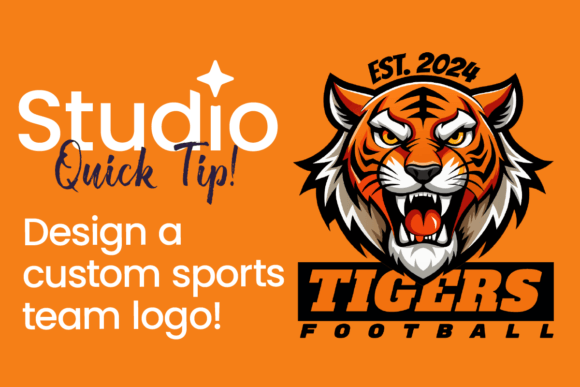
Mascot-based logos are popular in American football, basketball, and esports. They rely on a strong character—a bulldog, a phoenix, a knight—that becomes the face of the team. The illustration should be dynamic, with clear facial features and a confident posture. Mascot logos are particularly effective for engaging younger fans and for use on apparel where the character can shine.
Modern Geometric Mark
For teams that prefer a sleek, contemporary look, geometric abstraction reduces the logo to its essence. Think of a simplified mountain range for a ski team or interlocking rings for a cycling crew. This style translates well across digital platforms and looks clean in monochrome. It appeals to startups, tech-adjacent teams, and anyone wanting a logo that feels forward-looking.
Monogram or Wordmark Focus
Sometimes the team name or initials are powerful enough to carry the brand. A well-crafted wordmark uses custom lettering, kerning, and sometimes a subtle graphic element hidden in the letters. This direction is ideal for teams with a short, distinctive name or for groups that want a professional, text-driven identity. It is also a smart choice when you need a logo that prints easily on hats or small gear.
Adapting Your Logo for Different Platforms
A great logo design is not a single file—it is a system. Once you have a primary mark, consider how it will appear in various contexts. A custom sports team logo should have at least two variations: a full-color horizontal version and a simplified icon that works as an avatar or favicon.
- Jerseys and uniforms – The logo may need to be embroidered, which limits fine details. Test your design as a single-color patch and ensure it remains recognizable.
- Social media profiles – Circles or squares are common crop formats. Your icon should fill the space without crucial elements being cut off. Avoid relying on small text for the avatar version.
- Merchandise and print – T-shirts, hats, and stickers call for bold, scalable art. High-contrast colors and thick outlines help the logo pop on fabric and paper.
- Video and broadcast – If your team streams games or creates content, your logo needs to look crisp on screen. Test it against different backgrounds and at reduced sizes in overlays.
Practical Steps to Get Started
Even if you are not a professional designer, you can create a strong custom sports team logo by following a structured process. Here is a practical workflow that balances creativity with clarity.
- Define your team’s core identity. Write down three words that describe your team’s personality (e.g., aggressive, fast, inclusive). List your team name, mascot, and any local references. This exercise grounds your design decisions.
- Gather visual inspiration. Look at logos from teams in your sport and beyond. Note what works, what feels dated, and what sparks ideas. Create a mood board with colors, typefaces, and shapes you are drawn to.
- Sketch multiple concepts. Use paper or a digital tablet to explore at least five rough directions. Do not judge quality at this stage—quantity helps you discover unexpected solutions.
- Refine the strongest candidate. Choose one or two sketches that best capture your team’s identity. Develop them with cleaner lines, intentional colors, and appropriate type. Use vector software like Adobe Illustrator or free alternatives such as Inkscape or Canva.
- Test your logo in real-world scenarios. Place the logo on a mock jersey, a social media banner, and a small button. Ask teammates and friends for honest feedback. Check legibility and emotional impact.
- Finalize and create a brand kit. Save your logo in multiple formats: SVG for web, PNG with transparent background, and high-resolution EPS for print. Document color hex codes and font choices for future use.
Keeping Your Design Clear and Consistent
Consistency is what transforms a logo into a recognizable brand. Once you finalize your custom sports team logo, apply it consistently across all touchpoints. Use the same colors, typefaces, and proportional spacing every time. Avoid the temptation to tweak the logo for each application—small variations dilute recognition.
Clear communication also means anticipating how different audiences will interact with the logo. A youth recreational team might prioritize fun and energy, while a corporate-sponsored league may need a more polished, understated look. Your design choices should align with the experience you want players and fans to have. For instance, a soft color palette and rounded shapes convey approachability, while sharp angles and high saturation suggest competitiveness.
Examples for Different Audiences
To see how these principles come together, consider a few realistic scenarios:
- Neighborhood basketball league – The team name is “City Court Kings.” The logo uses a bold, graffiti-inspired wordmark with a subtle basketball net pattern inside the letters. Colors are bright orange and deep navy. The design feels urban and energetic, appealing to young adults and local streetwear culture.
- Amateur running club – Called “Trail Blazers,” the logo features a geometric silhouette of a runner merged with a pine tree, referencing the forest trails they train on. The palette is earthy green and slate gray. The minimal icon works well as a shoe tag and a small app icon.
- Esports team for a strategy game – “Cyber Vanguard” uses a futuristic shield with a circuit-board pattern and a cybernetic wolf head. Colors are electric blue and black with neon accents. The logo splits into a full crest and a simplified wolf face for profile pictures. This appeals to a tech-savvy audience that values detail and sci-fi aesthetics.
Bringing It All Together
Designing a custom sports team logo is a rewarding project that combines creative expression with strategic thinking. The best logos feel inevitable—as if they could belong to no other team. By focusing on clear symbolism, thoughtful typography, and practical adaptability, you can produce a mark that endures season after season. Start with a clear idea of what your team stands for, test your concepts honestly, and refine until the design feels both original and true to your group. Whether you are a coach, a player, or a designer helping a team, the process of creating that visual identity is a journey worth taking. Your logo will become the badge that players wear with pride and that fans recognize instantly—something that turns a group of individuals into a unified team.