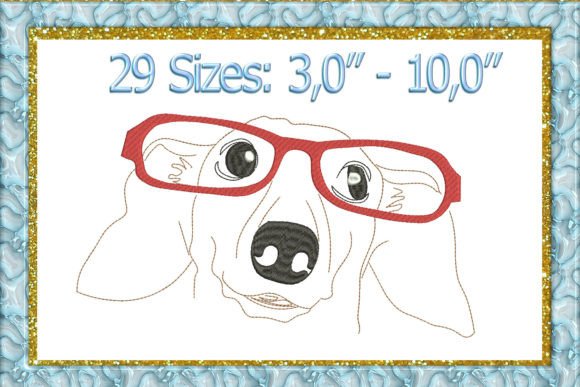
Choosing the Right Dachshund Embroidery Design for Your Project
Dachshunds, affectionately known as wiener dogs, possess a silhouette that is instantly recognizable. Translating that long body, short legs, and floppy ears into thread requires careful digitizing and a keen understanding of design principles. Whether you are embroidering items for a breed-specific event, creating a heartfelt gift for a dachshund owner, or simply exploring new machine projects, understanding the nuances of a quality Dachshund embroidery design is the first step toward a successful outcome. This article provides a practical framework for evaluating your options, comparing styles, and making a confident decision.
What Makes a Dachshund Embroidery Design Distinctive
The unique anatomy of the dachshund is its greatest charm and its greatest challenge in embroidery. Unlike a square-jawed bulldog or a round-faced cat, the dachshund's elongated form demands specific layout and scaling strategies.
Proportions and Orientation
The classic hot dog shape means the design is often narrower and longer than typical embroidery subjects. This makes placement crucial. A poorly scaled Dachshund embroidery design can make the dog look stubby or unnaturally stretched. When evaluating a design, pay attention to how it fits within common hoop sizes. A design that works well in a 5x7 hoop may look cramped or lose detail when squeezed into a 4x4 space. The long silhouette can be a strength, fitting beautifully along a collar, on a long sleeve cuff, or on the spine of a book bag.
Facial Features and Texture
The long snout and low-set ears are delicate details that can easily blur together, especially in small formats. High-quality digitizing uses precise underlay and sharp satin stitches to maintain these defining features. Dachshunds also come in smooth, long-haired, and wire-haired varieties. A wire-haired Dachshund embroidery design, for instance, benefits from rough, textured fills, whereas a smooth dachshund requires clean, flowing lines. Evaluating how a designer handles these distinct coat types is a good measure of overall quality.
Comparing Core Design Styles: Strengths and Tradeoffs
The best choice depends heavily on the intended use of the finished item. Comparing the three most common styles reveals clear strengths and limitations for different projects.
Realistic and Thread-Painted Designs
These designs offer stunning detail and depth, capturing the subtle shading of a dachshund’s coat. They are ideal for large projects like jacket backs, framed portraits, or high-end tote bags.
- Strengths: Museum-quality finish, high perceived value, excellent for gifts.
- Tradeoffs: High stitch count (15k to 50k), multiple thread color changes, long stitching time. Requires tight tension control and a well-maintained machine.
- Limitation: Not suitable for lightweight fabrics like t-shirts or blouses. The density can cause puckering and a stiff, uncomfortable feel.
Stylized and Vintage-Inspired Options
Think retro line art, art deco silhouettes, or charming cartoon renditions. These designs have very strong visual appeal and use far fewer colors, typically two to six.
- Strengths: Very forgiving during stitching, great for hats and bags, works well on mid-weight fabrics like polo shirts and twill.
- Tradeoffs: May not appeal to someone looking for a serious, elegant portrait. Less realistic, which might not suit every project.
- Best Fit: Merchandise for breed clubs, children's clothing, and fun accessories.
Minimalist and Modern Linework
Single-color line work or small filled shapes. These designs are extremely versatile and stitch out quickly, often in under five minutes.
- Strengths: Lowest stitch count (1k to 5k), perfect for small hoop sizes, works beautifully on delicate fabrics like onesies, linen, and performance wear.
- Tradeoffs: Lack of detail may not appeal to dedicated dachshund enthusiasts looking for breed-specific accuracy.
- Decision Factor: Excellent choice for subtle personalization or for testing a new machine setup with a low-risk project.
Practical Tradeoffs in Format, Scale, and Fabric
Beyond aesthetics, technical considerations play a major role in whether a Dachshund embroidery design will perform well.
File Formats and Machine Compatibility
A quality design provider offers multiple file formats, including .DST, .PES, .EXP, and .JEF. If a seller only offers one format, confirm compatibility before purchasing. The right design is useless if it does not match your machine. Stitch count is another key indicator. A small Dachshund embroidery design intended for a 4x4 hoop should not have an excessively dense stitch count, while a large 5x7 patch can handle a higher density for a richer look.
The Scaling Trap
Machine embroidery does not scale like a digital PDF. Enlarging a design by 20 percent in standard embroidery software often leads to gaps, thread breaks, and distortion of the long snout or rounded ears. It is far better to purchase a design in the specific size range you need. Many professional designers offer multiple size variants of the same Dachshund embroidery design, which accounts for pull compensation and underlay adjustments automatically.
Stabilization and Fabric Behavior
The long, sweeping satin stitches often found in Dachshund embroidery design projects require excellent stabilization to prevent distortion. A tear-away stabilizer may work for a small, minimal design on a sturdy fabric. For denser designs on stretchy knits, a cut-away stabilizer is non-negotiable. The fabric type should guide your choice of design density, not the other way around.
Matching the Design to Your Skill Level
Honesty about your current skills will save time and materials. A complex thread-painting project can be frustrating for a beginner. Conversely, an experienced embroiderer might find a minimal outline design too simple to be satisfying.
Beginner and Intermediate Projects
A stylized or minimal Dachshund embroidery design with fewer than ten color changes and a stitch count under 10,000 is a reliable choice. These designs allow you to practice hooping and tension control without the pressure of a high-stakes project. They are also more forgiving if you encounter a thread break or need to restart a color.
Advanced Projects
If you are comfortable with dense fills, tight tension, and multiple color changes, a realistic design offers a rewarding challenge. These projects shine on structured items like denim jackets, canvas bags, or custom patches. The time investment matches the output, and the final piece often becomes a treasured keepsake.
Key Decision Factors for Your Next Design
When browsing online catalogs, keep these criteria in mind to make an informed choice.
- Examine Sample Stitches: Look closely at sample images. Are the lines around the snout clean? Are the curves along the back smooth? Check the underside if shown. Long jump stitches or thread nests indicate poor digitizing.
- Read the Product Description: A high-quality design will specify recommended fabrics, hoop sizes, and optimal scale. It should also note whether it is suitable for small hoops or requires a larger hoop.
- Consider the End Use: Is the item a gift, a personal accessory, or merchandise for sale? The intended use guides how much time and material you should invest. A gift for a close friend may justify a complex, multi-hour project. A design for a small patch may only need a clean, simple outline.
- Run a Test Stitch: Testing on a similar fabric is the only way to confirm the design meets your expectations. It reveals how the fabric handles the density and how the design captures the breed proportions.
Choosing the best Dachshund embroidery design comes down to balancing your project's practical constraints with your aesthetic goals. By understanding the breed's anatomy, comparing different artistic styles, and respecting the limits of your equipment and materials, you can confidently select a design that stitches out cleanly and captures the distinctive, loyal spirit of the dachshund.