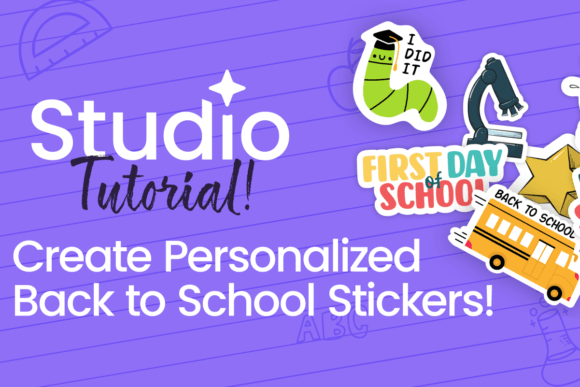
Back to School Sticker Design
The humble sticker has evolved far beyond a childhood pastime, emerging as a powerful, low-friction asset in every graphic designer's toolkit. Knowing how to create back to school stickers effectively offers a perfect case study in applying core design principles to a highly targeted, emotionally resonant campaign. Whether you are working on a brand activation, a social media graphics package, or a direct-to-consumer product line, the mechanics of great sticker design translate directly to broader visual design success.
In the landscape of modern visual communication, stickers occupy a unique space. They serve as a bridge between a brand's digital presence and its physical merchandise, compressing an entire identity—its typography, color palette, and tone—into a scalable and highly shareable creative asset. For designers, mastering this format sharpens skills applicable to logo design, packaging design, and UI design. The inherent constraints of the sticker format force creators to prioritize visual hierarchy and modern aesthetics, stripping away everything non-essential to communicate a message instantly.
Strategic Applications Across Design Disciplines
Understanding how to create back to school stickers opens the door to a wide range of professional applications. The process allows you to test a logo's scalability, create custom packs for digital marketing campaigns, or enhance unboxing experiences with collectible print design assets. The role of stickers in editorial design and web design has also grown significantly, adding moments of brand delight in unexpected places. Here are a few practical ways sticker design fits into a broader design workflow:
- Branding and Logo Design: Testing how a mark holds up at extreme sizes.
- Social Media Graphics: Creating custom packs for Stories or interactive campaigns.
- Web and UI Design: Adding micro-interactions that reinforce brand identity.
- Packaging and Print Design: Enhancing physical products with shareable bonuses.
- Advertising Campaigns: Designing viral-worthy assets for events or giveaways.
Core Principles for High-Impact Sticker Design
Whether your audience is students heading back to school or a corporate client launching a new identity, the underlying design principles remain focused on clarity and impact. Getting the fundamentals right ensures your creative asset works effectively across both digital and physical contexts.
Typography and Readability
Typography is the backbone of effective sticker design. Given the limited real estate, every letterform must be intentional. Avoid overly complex or thin fonts that break down at smaller scales. Instead, lean into bold, expressive typefaces that offer strong readability. The interaction between your typography and the overall composition should create a clear visual hierarchy, guiding the viewer's eye to the most important message first.
Color Palette and Brand Consistency
A sticker's color palette must work hard. It needs to fit the brand identity while standing out in the real world—whether on a white laptop or a crowded bulletin board. High-contrast combinations typically yield the best results in both digital and print design contexts. For a back-to-school theme, balancing nostalgia with modern aesthetics creates an emotional resonance that appeals to both students and parents. Consistency with broader brand guidelines transforms a standalone design into a cohesive part of a larger brand ecosystem.
Scalability and Visual Hierarchy
A great design works at six inches wide and at six millimeters. Testing your sticker design across different scales is non-negotiable. This is where skills in UX design and visual hierarchy come directly into play. The core message or icon must be recognizable at a glance. Strong silhouettes and simple shapes make for the most versatile creative assets, ensuring the design retains its professional presentation regardless of format.
Integrating Stickers into Your Design Workflow
Incorporating sticker design into your regular practice sharpens your ability to think across formats. Start by sketching concepts that prioritize shape and outline, as a strong contour often makes for the most recognizable decal. From there, refine your typography choices and color palette, keeping the audience's expectations firmly in mind. Whether the final output is a die-cut vinyl for a packaging campaign or a digital sticker pack for a social media platform, the goal is to create a professional presentation that communicates value instantly.
Ultimately, mastering the art of sticker design is an exercise in disciplined creativity. It forces designers to think deeply about brand identity, audience engagement, and the pure efficiency of visual communication. By honing your approach to these compact assets, you unlock a powerful medium that resonates across both physical and digital spaces, proving that good things truly do come in small, well-designed packages.