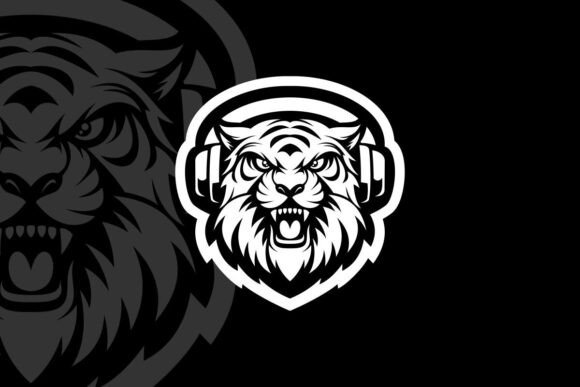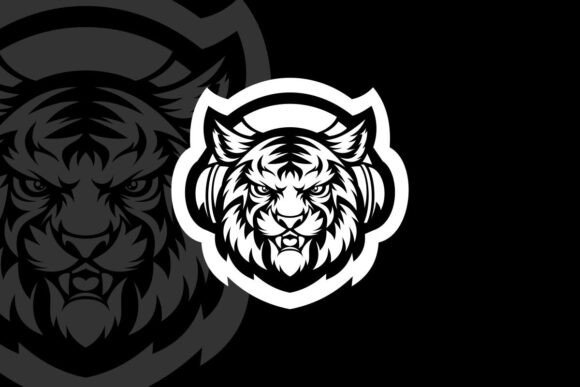
Tiger with Headphone Mascot Character
A tiger wearing headphones is far more than a visually striking illustration. It is a compact narrative. The image instantly pairs raw, untamed power with the distinctly human act of focused listening. This contrast creates a memorable mascot that works across a surprising range of creative and commercial contexts. For designers, marketers, and entrepreneurs, understanding why this character resonates—and how to deploy it effectively—can open up concrete opportunities for branding, audience connection, and content strategy.
Why This Mascot Concept Works
The strength of a tiger with headphone mascot character lies in its built-in duality. The tiger represents instinct, strength, and a certain wild energy. The headphones add a layer of intention, focus, and immersion. Together, they form a visual metaphor for controlled intensity and deep concentration. This makes the character highly adaptable. It can just as easily represent a musician lost in a mix as a freelancer shutting out distractions to enter a state of deep work.
For brands and creators, this duality is a practical advantage. A single character can convey multiple brand attributes: focus, creativity, power, and accessibility. Unlike a generic animal mascot, the addition of modern technology (headphones) roots the character in a contemporary, human context. It signals that this tiger is not just a wild animal; it is plugged into culture, work, or entertainment. This makes it instantly relatable to adult audiences who understand the daily ritual of putting on headphones to create, learn, or escape.
Creative Directions and Style Variations
Before commissioning or designing a tiger with headphone mascot character, it helps to define the emotional tone and visual style. The same basic concept can be reshaped to serve completely different audiences and platforms. Here are several distinct directions worth exploring:
The Minimalist Brand Mark
For a professional podcast, productivity app, or consulting business, a minimalist approach works best. Use clean, solid lines with one or two colors. The tiger’s face is simplified, and the headphones are reduced to a clear silhouette—usually over-ear style. This version prioritizes scalability and recognition. It functions as an app icon, a website favicon, or a watermark on social media graphics. The message here is focus and clarity.
The Streetwear or Gaming Icon
If your audience is younger or deeply embedded in gaming and pop culture, push the character toward an expressive, almost graphic novel style. Add an oversized hoodie, a baseball cap turned backward, or glowing wireframes on the headphones. Use bold, saturated colors and dynamic shading. This version is built for merchandise: t-shirts, stickers, and enamel pins. The character feels less like a corporate logo and more like a collectible persona.
The Friendly Guide for Educators
For online courses, educational YouTube channels, or children's content, soften the tiger significantly. Round out the jawline. Make the eyes large and expressive. Use pastel or warm color palettes. The headphones can be brightly colored and slightly oversized to emphasize the idea of listening and learning. This version of the character serves as a companion or guide, helping to reduce the intimidation factor of a wild animal while keeping the association with focus and engagement.
The Cyberpunk or Futuristic Variant
For tech startups, AI tools, or futuristic media, take the character into a cybernetic direction. The tiger might have metallic stripes, neon glowing accents on the headphones, or augmented reality lenses. The style can be angular and sharp. This communicates innovation, edge, and a forward-looking attitude. It works exceptionally well for brands that want to appear both powerful and high-tech.
Practical Applications for Different Users
Once you have settled on a style, the real work begins. A tiger with headphone mascot character is only as valuable as its application. Here is how different professionals can put it to practical use:
For Podcasters and Audio Creators
Your mascot is your show’s visual anchor. Use it as the cover art, the avatar on podcast directories, and a static or animated intro sequence. When listeners see a focused tiger with headphones, they immediately associate your show with high energy and deep expertise. It also makes your brand instantly recognizable across platforms like Spotify, Apple Podcasts, and YouTube. Consider creating a set of expressions—focused, surprised, laughing—to use in social media posts promoting each episode.
For Streamers and Gamers
In the streaming world, a custom mascot helps you stand out in a crowded space. Your tiger with headphone mascot character can become an emote set for your channel. It can appear on your overlay, your loading screen, and your merchandise. Because the character already combines intensity with focus, it translates naturally to gaming contexts. You can create variations like “victory tiger,” “defeated tiger,” or “rage tiger” to match common streaming moments.
For Freelancers and Small Business Owners
A personal brand mascot adds a layer of memorability that a simple logo often lacks. If you are a freelance writer, consultant, or coach, using a tiger with headphone mascot character on your website and social media profiles signals that you are focused, approachable, and serious about your craft. It humanizes your brand without sacrificing professionalism. Use it consistently across your LinkedIn banner, email newsletter header, and client proposals.
For Bloggers and Content Publishers
Bloggers covering music, productivity, fitness, or personal development can use the character to create a cohesive visual identity. Feature the mascot in custom illustrations for each blog post. Use it as a watermark on images. The character becomes a visual shorthand for your brand’s voice. Over time, readers will associate the tiger with the quality and tone of your content, building trust and recognition.
Design Principles for a Lasting Mascot
Creating a tiger with headphone mascot character that remains effective for years requires attention to a few core design principles. These guidelines help ensure your mascot does not feel dated or generic:
- Silhouette test. A strong mascot is recognizable even in solid black. Can someone tell it is a tiger wearing headphones without seeing any details or colors? If the shape is indistinct, the design needs simplification.
- Scale versatility. Your mascot must work at 16 pixels wide (favicon) and 16 feet wide (billboard or backdrop). Test the design at extreme sizes. Small elements like thin headphone bands or tiny whiskers may need to be adjusted or removed.
- Color discipline. Limit your palette to two or three core colors. Tiger orange, black, and a headphone accent color (like white, red, or neon blue) are usually enough. Overcomplicating the palette makes the character harder to reproduce and less memorable.
- Expression range. A static character is limited. Work with a designer to create at least three to five expressions or poses. This allows your mascot to feel alive across different contexts without losing brand consistency.
- Originality check. Before finalizing, search for existing tiger mascots with headphones. The market has some saturation. Add a unique element—a specific headphone model, a distinctive stripe pattern, a signature accessory—to ensure your character does not blend in.
Adapting the Mascot for Different Platforms
Each platform has its own visual culture and technical constraints. A tiger with headphone mascot character needs specific adaptations to perform well everywhere:
On LinkedIn and professional sites, the character should appear refined. Use the minimalist version in the profile picture. In banners, show the character in a workspace or abstract environment that suggests professionalism. Avoid overly expressive or cartoonish poses.
On TikTok and Instagram, the character can be more animated and playful. Short video loops of the tiger nodding to music, reacting to content, or dancing can drive engagement. Consider creating a series of meme-ready reaction images featuring your mascot.
On streaming platforms, the character should be high-contrast and readable at small sizes. Emotes and badges need to be clear even when scaled down. The headphone details should be thick enough to read without zooming in.
On merchandise, think about production methods. Screen printing requires solid colors and clear separations. Embroidery works best with simplified shapes and limited detail. Provide your production team with a version of the character specifically optimized for their process.
Keeping the Character Original and Audience-Friendly
As AI-generated imagery becomes more common, a generic tiger with headphone mascot character risks feeling flat or derivative. To maintain originality, focus on what makes your specific audience tick. Does your community value high-energy motivation? Make the tiger dynamic, mid-roar, with intense eyes. Do they value calm and focus? Make the tiger serene, eyes closed, with a slight smile. The character should feel like a natural extension of your brand's voice, not a stock image.
Audience feedback is invaluable. Before committing to a final design, share a few options with your existing community or a trusted focus group. Ask what emotions the character evokes. Does it feel trustworthy? Fun? Intimidating? You might be surprised by the responses. A design that looks cool to you might read as aggressive or cold to your audience. Iteration based on real feedback is the fastest path to a mascot that genuinely connects.
The Broader Potential of a Strong Mascot
Investing in a tiger with headphone mascot character is not just about having a nice illustration. It is about building a visual shorthand that carries your brand's core message. Every time someone sees the tiger, they should immediately recall the value you provide: focus, creativity, intensity, or expertise. Over time, the character becomes a shortcut to trust and recognition.
Whether you are a podcaster looking for cover art that pops, a streamer building a community, or a small business owner trying to stand out, a well-designed mascot pays dividends. Start by defining the emotional tone your brand needs. Then explore the styles and applications that fit your platform. With a clear direction and a focus on practical execution, this simple character concept can become a lasting asset for your creative or professional work.