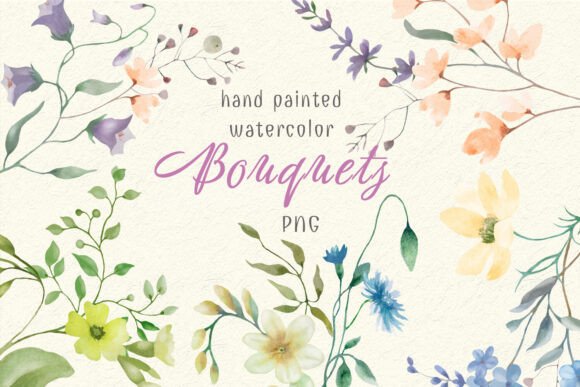
The Distinct Appeal of Hand Painted Watercolor Bouquets
When it comes to floral decor, few options capture the same blend of artistry and instinct as hand painted watercolor bouquets. Unlike a photograph or a digital print, each watercolor bouquet is born from layered washes, deliberate pigment choices, and the occasional happy accident of water spreading across paper. For adults exploring alternatives to standard wall art, wedding keepsakes, or personalized gifts, understanding what sets hand painted watercolor bouquets apart—and when they truly shine—can make the difference between a piece that simply decorates and one that resonates.
What Defines a Hand Painted Watercolor Bouquet?
At its core, a hand painted watercolor bouquet is a representation of flowers created with water-based pigments on paper, brushstroke by brushstroke. But the phrase implies more than technique. It suggests an original piece, often bespoke, where the artist translates the softness of petals, the transparency of light, and the movement of stems through wet-on-wet or wet-on-dry methods. The result is rarely photorealistic; instead, it leans into the medium’s natural tendency toward diffused edges and unpredictable gradients. This lack of rigid precision is part of its charm.
Distinct from a digitally rendered floral image or a printed reproduction, a hand painted watercolor bouquet carries subtle irregularities—a slightly heavier pigment in one petal, a faint brush hair mark—that signal human involvement. For many collectors and decorators, these imperfections add narrative and warmth. A watercolor bouquet might evoke a garden in morning mist or a loosely arranged bunch of wildflowers from a summer walk.
Similar Formats: Where Hand Painted Watercolor Bouquets Stand Out
To evaluate whether a hand painted watercolor bouquet fits your needs, it helps to compare it with common alternatives:
- Botanical prints and posters – Usually mass-produced. They offer affordability and consistency, but lack the tactile depth and individuality of a watercolor original.
- Digital art or AI-generated florals – Quick and cheap to produce, but often feel flat. They can simulate a watercolor look, but the computational process removes the artist’s intuitive decisions about color mixing and brush pressure.
- Real dried or pressed flower arrangements – Three-dimensional and textural, but they fade over time and cannot be replicated exactly if damaged. A watercolor bouquet preserves the essence of a moment without physical decay.
- Oil or acrylic painted flowers – More opaque and heavier in appearance. Watercolor offers a lighter, airier aesthetic that many find more versatile for modern interiors.
Each option has strengths. But if you value a unique piece with visible brushwork and a translucency that suits soft boho, Scandinavian, or minimalist decor, hand painted watercolor bouquets often fill that niche better than any generic wall art.
Strengths Worth Weighing
- Originality – No two hand painted bouquets are identical. Even a series of similar compositions will differ in pigment wash, paper texture, and stroke pressure. This makes the piece a one-of-a-kind statement.
- Emotional resonance – A custom watercolor bouquet can commemorate a specific wedding bouquet, a favorite flower, or a memory associated with a garden. The handmade element often strengthens sentimental value.
- Versatility in style – Watercolor ranges from loose and abstract to tightly detailed. You can request a realistic portrait of a floral arrangement or a dreamy splash of colors that suggests a bouquet without outlining every stem.
Tradeoffs to Consider
- Cost vs. reproduction – A hand painted original naturally costs more than a print. For budget-conscious buyers, a limited-edition giclée of a watercolor may offer a middle ground: the look of hand painting at a lower price, but with less intrinsic uniqueness.
- Fragility – Watercolor paper can be damaged by moisture, direct sunlight, or improper framing. Unlike a varnished oil painting, a watercolor needs protective glass and careful placement. This can be a limitation for high-humidity rooms or households with active children.
- Time and availability – Commissioning a hand painted watercolor bouquet often requires lead time. Artists may have waiting lists. If you need an instant decorative solution, a print or digital file may be more practical.
Understanding these tradeoffs helps you decide whether the investment aligns with your priorities. If permanence and low maintenance matter most, a different medium might serve you better. If the story behind the art and the pleasure of owning an original outweigh those concerns, a watercolor bouquet becomes a compelling choice.
When Hand Painted Watercolor Bouquets Are the Right Fit
These pieces tend to excel in specific use cases. Here are scenarios where they naturally become a top option:
- Wedding or anniversary gifts. Many couples commission a watercolor bouquet of their ceremony flowers. The painting becomes a timeless keepsake, distinct from photographs and less delicate than dried bouquets.
- Personal art for minimal or restful spaces. In a bedroom or a study, one watercolor bouquet can serve as a focal point without overwhelming the room. Its soft edges invite longer looking.
- Bespoke brand imagery. Small businesses—such as florists, wedding planners, or herbal product makers—sometimes use hand painted watercolor bouquets as logos or packaging elements. The art conveys a handcrafted ethos that photography may not capture.
- Thoughtful gifts for plant lovers or gardeners. A custom painting of a friend’s favorite bloom (e.g., peonies, lavender, or roses) feels personal, especially when the artist includes the client’s source photo as reference.
An Example: Custom Wedding Bouquet Painting
Consider a couple who got married in June with a bouquet of garden roses, eucalyptus, and dusty miller. They want a wall piece for their living room. A photograph feels too literal; a dried bouquet would crumble. A hand painted watercolor bouquet allows an artist to emphasize the dusty miller’s silvery tones and the rose petals’ blush, while softening the background. The finished piece feels romantic and archival, yet fits a modern frame. For this couple, the cost and waiting period are justified by the emotional connection.
When You May Need a Different Option
No single approach suits everyone. There are clear situations where hand painted watercolor bouquets may not be ideal:
- High-traffic commercial spaces. A restaurant or clinic lobby may need durable wall art that withstands cleaning, humidity, and potential bumps. Metal prints, canvas wraps, or laminated posters would better handle daily wear.
- Large-scale installations. Commissioning a hand painted watercolor of mural size is technically challenging and expensive. For a big blank wall, a series of printed panels or a fabric tapestry could achieve a similar visual effect more cost-effectively.
- Immediate or replacement needs. If you need decor within a week (e.g., staging a home for sale), the timeline for a custom watercolor is too long. A high-quality print available online can fill the gap.
- Budget constraints. When every dollar counts, a hand painted original may feel indulgent. In that case, consider a smaller format watercolor (e.g., 5x7 inches) or a digital download that you print yourself. The craft remains accessible, but scaled down in price.
Comparing with Alternative Artistic Approaches
Some buyers debate between a hand painted watercolor bouquet and a piece created in gouache, pastel, or pen-and-ink. Gouache provides more opaque, flat colors—closer to a poster look—while watercolor retains luminosity. Pastels give a powdery texture but require glass protection like watercolor. Pen-and-ink with watercolor wash adds structure but may reduce the fluid quality that many cherish in pure hand painted watercolor bouquets. The choice depends on whether you value spontaneity and transparency (watercolor) versus precision and solidity (gouache, ink).
Decision Factors to Guide Your Choice
To decide if a hand painted watercolor bouquet is right for you, consider the following questions:
- What is your primary goal? Sentiment, aesthetic, durability, or cost savings?
- Where will the piece hang? A dry, low-light room with glass protection supports watercolor. A bathroom or sunny hallway may demand another medium.
- How much does uniqueness matter to you? If you want art that no one else has, original watercolor is a natural fit. If the design matters more than exclusivity, a print may satisfy.
- Are you comfortable with slight variations? Watercolor is not pixel-perfect. If you expect exact replicate of a photo, consider a high-resolution print instead.
- What is your budget for framing? Watercolors often require professional framing with UV-protective glass, adding to the total expense.
When you work with an artist, be clear about these priorities. A good artist can guide you toward the right paper size, color palette, and level of detail that aligns with your space and expectations.
Making an Informed Decision
Hand painted watercolor bouquets occupy a sweet spot between fine art and home decor. They speak to an appreciation for handcraft, for imperfection as beauty, and for the quiet luxury of something made just for you. But they are not a universal solution. By weighing the strengths (originality, emotional weight, airy aesthetics) against the tradeoffs (cost, fragility, lead time), you can determine whether this format complements your life or whether a different floral representation would serve you better.
For those who do choose a hand painted watercolor bouquet, the reward is often deeper than a simple purchase. It becomes a small story on paper—a record of a season, a celebration, or a personal connection to flowers that no mass-produced print can replicate. In a world flooded with identical goods, that alone is worth considering.