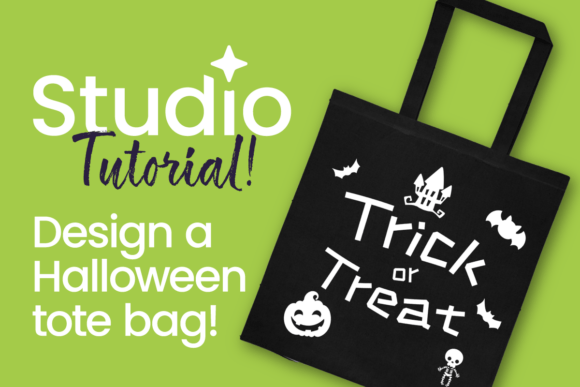
How to Make a Halloween Tote Bag
Halloween is one of those holidays where the right accessory can make or break your whole vibe—whether you’re trick-or-treating with your kids, hosting a costume party, or setting up a booth at a local craft fair. A tote bag might seem like a simple thing, but when you make it yourself with a Halloween twist, it becomes something else entirely: a functional piece of decor, a conversation starter, or even a profitable product. I’ve seen people whip up custom totes in under an hour using materials they already own, and the range of uses goes far beyond what you might expect.
Where and When a Homemade Halloween Tote Bag Fits In
Let’s start with the obvious scene: Halloween night. Instead of sending your kid out with a plastic pumpkin bucket that’ll crack by the end of the block, a sturdy tote bag handles the candy haul with ease. But the timing matters just as much as the context. You’ll see these bags pop up at pumpkin carving get-togethers, where someone brings supplies in a bat-printed tote, or at office Halloween potlucks where the bag doubles as both a gift carrier and a decoration. The real beauty is that you can make them well in advance, which means less last-minute chaos when October 31 sneaks up.
People also use Halloween tote bags during the entire month of October for grocery runs, carrying library books with spooky themes, or as reusable wrappers for hostess gifts. Think about a friend who throws an annual Halloween dinner—handing them a handmade tote filled with candles and cozy socks feels intentional, not thrown together. The where and when are almost limitless because the bag itself becomes a seasonal essential that lives on past one night.
For Trick-or-Treating with Kids
I’ve watched parents struggle with flimsy bags that tear under the weight of candy bars. Making a Halloween tote bag for your child means you control the size, the durability, and the design. You can add a reflective strip for safety, choose a fabric that wipes clean, and embroider their name so it doesn’t get mixed up with a dozen other identical bags. One mom I know makes a new tote each year for her daughter, using last year’s costume theme as inspiration—it’s become a tradition the child looks forward to as much as the candy.
For Craft Fair Sellers and Small Business Owners
If you run a small Etsy shop or sell at weekend markets, Halloween tote bags are a low-cost, high-margin item that sells fast. They appeal to buyers looking for reusable alternatives to single-use treat bags, and they make great impulse purchases when displayed near the checkout. A friend who sells at a local fall festival prepares around 50 totes in three designs: classic orange-black, glow-in-the-dark fabric paint, and a minimalist ghost silhouette. She prices them at $12 each and usually sells out by noon. The key is to use simple construction techniques so you can batch produce without losing quality.
For Teachers and Educators
Classroom Halloween parties often need sturdy bags for students to carry goodies home, and store-bought options can be expensive for a whole class. A teacher might sew or even no-sew fabric totes using iron-on adhesive. They can involve older students in the creation process as a hands-on art project, teaching basic textile skills while celebrating the season. One librarian I spoke with uses painted canvas totes for her Halloween storytime event—kids decorate their own bags with fabric markers, then fill them with books to borrow. The bags become a memento and a practical library tool.
For Bloggers and Content Creators
Creating a Halloween tote bag tutorial is exactly the kind of content that performs well in late September and October. Bloggers can film the process step-by-step, write up supply lists, and link to affiliate products like fabric or iron-on transfers. The project is visual enough for Instagram Reels and demonstrates clear value: a finished product that viewers can actually use. One lifestyle blogger I follow did a “make a Halloween tote in 15 minutes” video that racked up over 200K views. She turned that into a paid partnership with a fabric brand, all because the concept was accessible and seasonal.
For Everyday Adults Who Want a Custom Bag
Not everyone is selling or teaching—some people just want something that reflects their personal style. Maybe you’re tired of the same mass-produced Halloween bags at big-box stores. Making your own lets you choose non-standard colors like deep purple and lime green, or print inside jokes and references that only your friend group will get. You can upcycle an old plain tote with Halloween patches or fabric paint, which costs next to nothing and keeps waste out of landfills. I’ve seen people use these bags to carry their yoga mat to spooky-themed classes or as a beach bag for an October bonfire.
Fabric and Durability
The material you pick directly affects how the bag holds up. Cotton canvas is my go-to because it’s sturdy, easy to sew, and takes paint or embroidery well. If you want a no-sew option, consider thick felt or an old t-shirt. But watch out: flimsy fabric will sag under weight, and anything too slippery (like satin) is frustrating to work with unless you have experience. Think about the bag’s purpose—a trick-or-treat tote needs a reinforced base, while a decor piece can be lighter.
Skill Level and Time Commitment
You don’t need advanced sewing skills to make a usable Halloween tote. Straight seams, a simple rectangle shape, and webbing handles are beginner-friendly. If you’re totally new, a no-sew version using fabric glue or iron-on hem tape can still look polished. But if you’re planning to sell them, you’ll want to factor in finishing details like double-stitching or adding linings so they survive repeated use. Set aside 30-60 minutes for a basic design, or two hours if you’re adding a zipper or inside pockets.
Design Safety
If the bag is for a child, consider handles that aren’t too long (to avoid dragging) and avoid small decorations like buttons or plastic eyes that could become choking hazards. For adults, you have more freedom, but still think about handle comfort if the bag will carry heavy loads. I’ve also seen people add a snap closure or a drawstring top to keep contents secure—especially helpful if you’re carrying snacks that might spill.
Cost vs. Store-Bought
Making your own tote can be cheaper or more expensive than buying, depending on materials. A plain canvas tote costs around $3-5, plus paint or patches. If you buy fancy Halloween-print fabric at $12 a yard, you might spend more than a similar store bag. The value isn’t just in the price—it’s in customization and quality. You can make a bag that matches your exact vision, and it might last for years. For one-off personal projects, DIY almost always wins. For mass gifting, buying blank totes in bulk and decorating them is often more cost-effective.
How Different Users Benefit in Their Own Context
A freelance graphic designer might treat the tote as a portfolio piece, printing their own vector artwork onto fabric using transfer paper. A parent benefits from the bag’s longevity—no more broken handles on the street corner. A small business owner gains an additional product line without needing heavy investment in machinery. A classroom teacher gets a budget-friendly activity that also builds community. The common thread is that making a Halloween tote bag is a flexible project that adapts to your specific needs, whether you’re chasing revenue, memory-making, or simply avoiding cheap plastic alternatives.
What I find most compelling is how this project bridges the gap between a quick craft and a lasting object. You can finish one in an afternoon, yet the bag will serve through multiple Halloweens. It also invites experimentation—maybe you try fabric stenciling for the first time, or learn to sew a curved handle. Those skills stick around long after October ends.
Final Thoughts on Starting Your Own Halloween Tote Bag
If you’ve been on the fence about trying to make a Halloween tote bag, here’s my honest take: start with what you have. A plain canvas bag from a thrift store, a bottle of fabric paint, and a sponge cut into a pumpkin shape can produce something you’ll actually use. Don’t overthink the design—simple works. I’ve seen a bag with just two googly eyes and a drawn-on mouth turn heads. The goal isn’t perfection; it’s creating something that feels yours. Whether you’re making one for yourself, fifty for a market, or twenty for your kid’s class party, the process is straightforward, the costs are low, and the payoff is a bag that carries more than candy—it carries your own creative stamp.