Evaluating the Flower Tumbler Wrap Sublimation Design for Your Craft Projects
If you are exploring the world of personalized drinkware, you have likely encountered the Flower Tumbler Wrap Sublimation Design as a popular choice among crafters, small business owners, and hobbyists. This design category combines botanical imagery with the sublimation transfer process to create vibrant, durable wraps for tumblers and similar cylindrical objects. Before you commit time and resources to this specific design approach, it helps to examine what it offers, where it excels, and where alternatives might serve you better. This article provides a practical evaluation so you can determine whether flower tumbler wrap sublimation design aligns with your creative or commercial goals.
Understanding the Flower Tumbler Wrap Sublimation Design
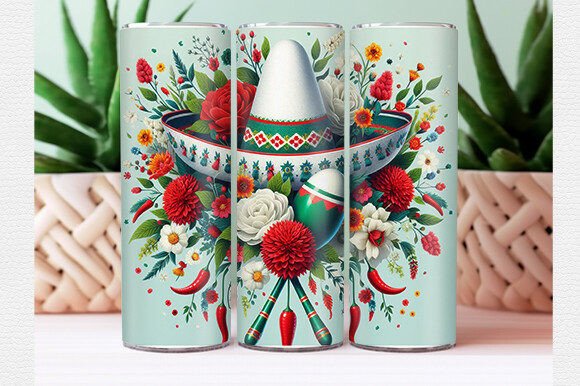
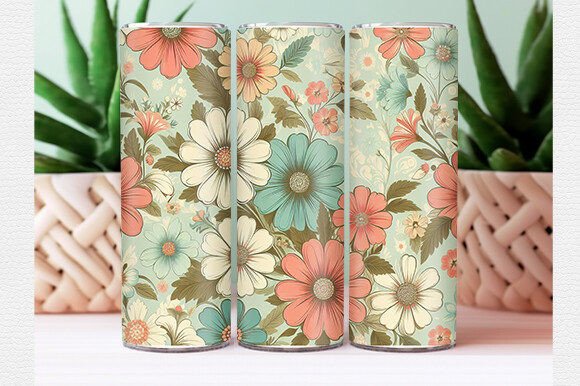
A flower tumbler wrap sublimation design refers to a digital or printable pattern featuring floral motifs—roses, sunflowers, wildflowers, abstract blossoms, or botanical arrangements—specifically formatted for sublimation transfer onto tumblers. The design is printed onto sublimation paper using sublimation ink, then heat-pressed onto a polymer-coated tumbler. The heat causes the ink to turn into a gas and bond permanently with the coating, resulting in a seamless, full-color wrap that is resistant to peeling, scratching, or fading.
What distinguishes a flower tumbler wrap from generic floral patterns is its precise dimensions and registration marks tailored to tumbler sizes (commonly 12 oz, 16 oz, 20 oz, or 30 oz). The design accounts for the curvature of the tumbler, ensuring that flowers and stems align correctly when wrapped around the surface. Without this formatting, the pattern may stretch, distort, or leave gaps.
It is worth noting that sublimation requires specific materials. The tumbler must have a polyester coating or a special sublimation coating applied. The design itself does not add texture or thickness; instead, it becomes part of the surface. This makes the design feel smooth and seamless, unlike vinyl decals or painted finishes.
Reasons People Choose Flower Tumbler Wrap Designs
Crafters and buyers gravitate toward flower tumbler wrap sublimation designs for several practical reasons. First, floral imagery has broad appeal. Flowers are associated with gifting, seasonal events, and personal expression. A well-executed floral wrap can look elegant, cheerful, or rustic depending on the color palette and flower type. This versatility makes it a safe but creative choice for many projects.
Second, the sublimation process allows for photorealistic detail. A high-resolution flower wrap can capture subtle gradients, petal textures, and color variations that would be difficult to achieve with screen printing or permanent vinyl. This level of detail can elevate a simple tumbler into a product that resembles a professional studio piece.
Third, for those reselling tumblers, floral designs tend to sell well year-round, with peaks around Mother’s Day, Valentine’s Day, weddings, and spring events. The design category has a proven track record in marketplaces like Etsy, craft fairs, and custom gift shops.
Benefits and Tradeoffs
Like any creative method, the flower tumbler wrap sublimation design comes with clear benefits and some tradeoffs that deserve honest consideration.
Benefits
- Durability and longevity: Sublimated designs are embedded into the coating. They do not chip, peel, or fade with normal use and washing. A tumbler with a floral sublimation wrap retains its appearance for years if the coating remains intact.
- Full coverage and seamlessness: Unlike tape or layered vinyl, sublimation wraps cover the entire circumference with a continuous image. There are no overlapping seams or alignment issues when the design is properly formatted.
- Color vibrancy: Sublimation ink produces bright, saturated colors that stand out on white or light-colored tumblers. Floral motifs benefit particularly from this because natural flower colors require rich magenta, yellow, blue, and green tones.
- Customization potential: Many designers offer blank templates where you can insert your own flower images, adjust colors, or add text. This enables a semi-custom product without needing full graphic design skills.
Tradeoffs
- Material limitations: Sublimation only works on polyester-coated surfaces or polymers designed for sublimation. It does not adhere to stainless steel, glass, or bare plastic. This means you must purchase specific tumblers, which adds cost and limits your substrate choices.
- Initial equipment investment: To produce flower tumbler wraps, you need a sublimation printer (or a converted inkjet printer), sublimation ink, heat-resistant tape, parchment paper, and a heat press that can accommodate curved tumblers. A standard flat press may not work well for cylindrical objects, requiring a specialized tumbler press or a convection oven with a rotating function.
- Learning curve: Achieving consistent results with sublimation requires practice with time, temperature, and pressure. Over-pressing can cause colors to bleed or ghost, while under-pressing yields a faded or patchy transfer. Flowers, with their subtle tonal variations, can reveal imperfections more readily than abstract patterns.
- Design formatting: Not every flower design translates well to a tumbler wrap. Some patterns have a distinct top and bottom orientation, which may look misaligned when wrapped around a curved surface. Ensuring that the repeat tile or layout works around the cylinder requires careful testing.
Practical Considerations and Expectations
Setting realistic expectations is essential before purchasing or creating a flower tumbler wrap sublimation design. Here are some points to keep in mind:
Color shifting: Sublimation inks are transparent, so the color of the tumbler coating affects the final result. On a white tumbler, flower colors will appear vivid and true to the design file. On a cream, pastel, or colored tumbler, the underlying hue will shift the flower tones. For instance, a yellow flower on a light pink tumbler will appear warmer and more muted. Always test a small sample or use a white-coated tumbler if color accuracy matters.
Design resolution: A low-resolution image will look pixelated after sublimation, especially on larger tumblers. Use designs with at least 300 DPI at the final print size. If you are buying digital files from a marketplace, check the pixel dimensions and ensure they match your tumbler’s printable area.
Image orientation: Flowers with a clear stem and bloom orientation may look upside down depending on how the user holds the tumbler. Some crafters prefer all-over floral patterns that have no defined top or bottom, so the tumbler looks correct from any angle. If you are designing for others, consider offering both oriented and non-oriented options.
Print and press wastage: Sublimation is not a zero-waste process. You will have test prints, misaligned presses, and failed transfers. Factor this into your cost per tumbler, especially when using expensive floral designs that require multiple color passes.
When Flower Tumbler Wraps Are a Strong Fit
The flower tumbler wrap sublimation design is a strong choice in several distinct situations:
- Gift and event markets: If you produce tumblers for weddings, bridal showers, anniversaries, or Mother’s Day, floral wraps are a natural fit. They convey sentiment and match event themes without requiring custom artwork for each order.
- Bulk production with consistent quality: Because sublimation produces identical results each time (assuming consistent press conditions), floral wraps are suitable for small-batch production. You can make 10 or 50 tumblers with the same design and expect uniform appearance.
- Artistic detail appreciation: If your customers value photographic realism and intricate botanical detail, sublimation outperforms most other decoration methods. A design with layered petals, shadows, and soft gradients will look stunning.
- Low-touch personalization: If you want to offer a personalized tumbler without full custom design, you can use a floral wrap and add a name or monogram in a blank space. This gives a bespoke feel with minimal extra work.
When Alternatives Are Worth Considering
There are scenarios where a flower tumbler wrap sublimation design may not be the best route, and alternative methods could serve you better.
- Dark or colored tumblers: Sublimation works best on white or light backgrounds. If you prefer a brushed stainless steel look, a dark metallic finish, or a colored tumbler without a white coating, sublimation will not produce visible or vibrant results. In that case, consider engraving for a permanent etched floral pattern on metal, or adhesive vinyl for opaque color on any surface.
- Textured or matte finishes: Sublimation requires a smooth, glossy or satin coating for proper ink transfer. A matte tumbler may absorb ink unevenly, resulting in mottled flowers. If you prefer a matte or textured finish, UV durable resin (doming) or epoxy overlay techniques can give you a smooth, glossy result over a printed floral paper insert, though this adds labor and cure time.
- Single-use or low-production runs: If you only need one or two tumblers, the setup cost for sublimation equipment may not be justifiable. In that case, print-and-apply methods (like printable adhesive sheets or waterslide decals) can achieve a similar look with less capital investment, though durability is lower.
- Customers who want matte or soft-touch surfaces: Sublimation results in a smooth, slightly glossy finish. If your target audience prefers a matte, velvety, or rubberized texture, consider sublimation with a matte laminate overlay or switching to a matte-coated tumbler designed for sublimation. However, matte sublimation tumblers are less common and may be harder to source.
Decision-Making Insights
To decide whether the flower tumbler wrap sublimation design matches your goals, evaluate the following factors in your context:
- Your production volume: If you plan to make more than 10 tumblers per month, the equipment investment pays off. For occasional use, consider outsourcing the printing to a sublimation service provider and focus on assembly.
- Your customer base: Floral designs resonate strongly with female buyers, gift-givers, and event planners. If your audience leans toward minimalist, geometric, or novelty themes, floral wraps may underperform. Check your market data or run a small test batch.
- Your tolerance for precision: Sublimation demands consistent technique. If you prefer a forgiving method that allows repositioning or easy corrections, vinyl decals might be less stressful. If you enjoy perfecting a repeatable process, sublimation can be rewarding.
- Your design control: Buying ready-made flower tumbler wrap designs saves time but limits uniqueness. Creating your own floral wraps gives you full creative freedom but requires graphic design skills and a good source of high-resolution flower images or illustrations.
Aligning the Design with Your Goals
The Flower Tumbler Wrap Sublimation Design is a specific tool in a broader toolkit. It is not a one-size-fits-all solution, but for the right projects, it delivers professional, durable, and visually striking results. If you prioritize color vibrancy, seamless coverage, and repeatable quality, and if your customers value floral aesthetics, this design approach is worth integrating into your workflow. If your priorities include substrate flexibility, matte finishes, or minimal upfront cost, then exploring alternative decoration methods alongside sublimation can give you a more balanced offering.
Ultimately, the best choice depends on your specific objectives—whether that is creating a single personalized gift, building a product line for a niche market, or scaling a craft business. Evaluate the tradeoffs honestly, test a few designs on sample tumblers, and let the results guide your next step.