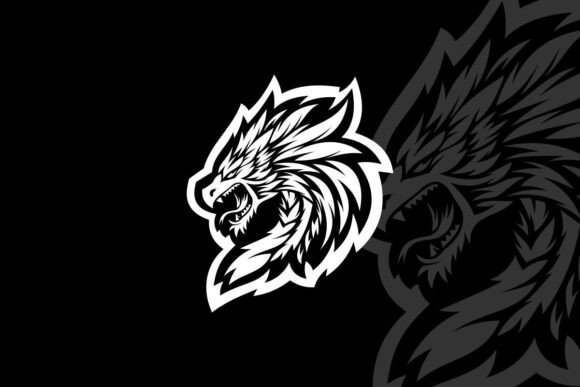
Dragon Mascot Esport Illustration: Designing Icons for Competitive Gaming Culture
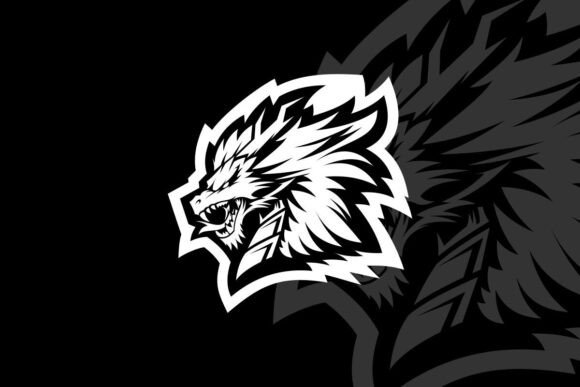
When you watch a live esports broadcast, the first thing you notice—before the gameplay, before the commentators—is the visual identity of the team. Logos, color palettes, and mascots set the tone for fandom. Among the most enduring symbols in this space is the dragon, a creature that bridges ancient mythology and modern competitive spirit. Dragon mascot esport illustration has become a distinct niche within digital art, blending character design, brand strategy, and cultural resonance. Whether you are a team owner, a freelance illustrator, or a marketing professional, understanding this form of visual storytelling offers practical insights into how esports brands build loyalty and stand out in a crowded arena.
The Rise of Esports Mascots as Brand Anchors
Esports has evolved from basement tournaments to stadium-filling spectacles. With that growth came the need for cohesive brand identities. Traditional sports have always leaned on mascots—think of the Chicago Bulls or the Detroit Lions. Esports borrowed that playbook but added a digital twist. Mascots in competitive gaming are not just sidelines characters; they appear on jerseys, loading screens, stream overlays, and merchandise. A well-executed dragon mascot esport illustration can unify a team’s visual language across multiple platforms, from Twitch to TikTok to physical apparel.
What makes the dragon especially suited for esports? Dragons embody power, agility, and mythical grandeur—qualities that resonate with competitive players and fans. Unlike a generic animal or abstract logo, a dragon allows for deep customization: it can be futuristic, fire-breathing, robotic, or cloaked in neon. This flexibility means the illustration can adapt to different game genres, whether the team competes in League of Legends, Valorant, or Counter-Strike. The visual identity becomes a story asset, not just a static emblem.
From Simple Logos to Narrative-Driven Art
Early esports logos often relied on flat typography and basic shapes. As the industry matured, audiences began expecting more. A dragon mascot esport illustration today is rarely a single image; it is a system. Teams commission full character sheets, multiple poses, and even animated versions for use in victory screens or intro sequences. This shift mirrors broader trends in digital branding—consumers want to connect with a character, not just a mark. For creators, this means moving beyond icon design into full-blown character illustration, complete with personality, lore, and stylistic consistency.
Consider a hypothetical team called “Ember Ascension.” Their dragon mascot might be designed as a sleek, cybernetic wyrm with glowing circuits along its spine. The illustration would then be used in a cinematic team introduction, on social media profile pictures, and as a central element of their merchandise line. Every detail—from the angle of the wings to the color of the eyes—reinforces the brand’s identity. This level of intentionality is what separates amateur from professional esport branding.
Why the Dragon Endures in Modern Esport Illustration
Dragons are not a new fascination. They appear in myths across cultures, from European folklore to East Asian legends. In esports, this universality works to a team’s advantage. A dragon mascot esport illustration can be designed to appeal to a global audience without alienating regional fans. The creature also lends itself to the high-energy, fantasy-driven aesthetics common in gaming. Players and viewers already associate dragons with strength, wisdom, and sometimes chaos—all emotions that fit the highs and lows of competition.
Additionally, the rise of fantasy and lore-rich games has trained audiences to expect deeper visual narratives. A team named “Draconic Vanguard” that uses a simple shield logo misses an opportunity. But a detailed illustration of a dragon wrapped around a controller or perched on a keyboard tells a story instantly. It signals that the brand invests in its image, which in turn builds trust with fans and sponsors alike.
Practical Implications for Teams and Creators
For esports organizations, commissioning a dragon mascot illustration is a strategic investment. The same artwork can be repurposed for emotes, banners, and even animated stickers for Discord and Telegram. This reduces long-term design costs while maintaining visual cohesion. For freelance illustrators and studios, specializing in this niche opens doors to ongoing work—teams often need updates, seasonal variants, or recolors for different merchandise runs.
A smart approach is to design the dragon with modular elements. A base illustration with separate layers for wings, armor, and accessories allows the team to create different versions without paying for full redraws. For example, a Halloween variant with a pumpkin motif or a championship version with a golden crown. This not only extends the life of the artwork but also deepens fan engagement as they collect or trade these visual variants.
Business owners and marketers should note that a dragon mascot does more than look cool. It becomes a vector for storytelling on social media. Teams can run polls asking fans to name the dragon, create short comic strips featuring the character, or even integrate it into their live stream layout as an animated companion. These interactions foster community and give fans a reason to keep coming back beyond match results.
Evolution of the Dragon Mascot in Esports
Ten years ago, most esports illustrations were static and often generic. A dragon mascot esport illustration might have been a low-resolution silhouette or a clip-art-style fire breather. Today, the bar is much higher. Advances in digital painting tools, vector software, and 3D modeling allow illustrators to create lifelike textures and dynamic poses. Coupled with screen technology that supports high-detail displays, teams can use these illustrations across massive stadium screens and tiny mobile icons with equal impact.
The trend also reflects a broader shift in how brands approach visual identity. Instead of treating mascots as afterthoughts, they are now central to the brand ecosystem. Successful organizations like Team Liquid or Fnatic have developed recognizable mascots (not dragons, but notable examples) that fans can spot instantly. A dragon mascot, when done right, achieves the same recognition. The key is consistency: using the same character, with the same design rules, across every touchpoint.
Changing Habits of Fans and Audiences
Modern esports fans are visually literate and often creative themselves. Many are artists, designers, or content creators. They notice when a mascot lacks originality or feels detached from the team’s identity. A dragon mascot esport illustration must therefore stand up to scrutiny on platforms like ArtStation or DeviantArt, where fans dissect every detail. This raises the quality standard for professional work. For illustrators, this is both a challenge and an opportunity—those who can deliver high-concept designs with clean execution will find consistent demand.
Another habit shift is the rise of personalized merchandise. Fans no longer just buy a jersey; they want a hoodie with their favorite player’s name and the dragon mascot in a unique colorway. This has pushed teams to commission illustrations that can be easily adapted for print-on-demand services. Designers should keep file formats and color separations in mind from the start, ensuring the dragon works in both vibrant RGB for screens and crisp CMYK for textiles.
Practical Recommendations for Creating a Dragon Mascot Esport Illustration
If you are a creator or a team considering a dragon mascot, here are grounded, actionable steps:
- Define the team’s personality first. Is the team aggressive and fast, or strategic and calm? The dragon’s posture, expression, and accessories should reflect that. A stoic, armored dragon suggests discipline; a snarling, clawed dragon suggests ferocity.
- Limit the color palette to three or four primary colors. Esports brands often rely on punchy, memorable schemes. Too many colors dilute the impact and complicate reproduction on merchandise or in-game assets.
- Design for scalability. The dragon should be recognizable when shrunk to a 50×50 pixel icon for a stream chat badge, as well as when printed on a 24×24 inch poster. Avoid overly intricate details that disappear at small sizes.
- Include a profile or bust version. Full-body illustrations are great for splash screens, but a close-up headshot or shoulder-up view is far more useful for social media profile pictures and emotes.
- Consider animation possibilities. Even if you are only delivering a static illustration, think about how the dragon could move. A simple wing flap or tail sway can turn a good mascot into a memorable one. Discuss these possibilities with your team or client up front.
- Test with the target audience. Show rough concepts to a small group of fans or players. Their feedback can reveal whether the design resonates or feels disconnected from the team’s vibe. This saves time and money in the long run.
Common Pitfalls to Avoid
One frequent mistake is making the dragon too generic. A dragon with spikes, scales, and fire is expected. What sets a great illustration apart is a unique angle or a distinctive feature—like an eye that glows with the team’s logo shape, or wings that incorporate circuit patterns. Another pitfall is neglecting the dragon’s relationship with the team name. If the team is called “Phoenix Rising,” a dragon illustration might confuse fans. However, a hybrid mythical creature could work if designed thoughtfully. Always align the mascot with the brand narrative.
Overcomplicating the design is another trap. Sketches with dozens of intricate scales and armor plates look impressive on a high-resolution monitor but lose clarity when scaled down. A dragon mascot esport illustration should be legible at a glance. The best designs pass the “blur test”—if you squint, you should still recognize the shape and key features.
Looking Ahead: The Role of the Dragon in Esports Branding
As esports continues to integrate with mainstream entertainment, the demand for professional illustration will only grow. Virtual reality events, digital collectibles, and in-game brand integrations will require mascots that are not just static images but interactive characters. A dragon mascot esport illustration that is designed with extensibility in mind—separate layers, clear silhouette, expressive features—will be ready for these emerging formats.
For creators, this is a field where artistic skill meets commercial strategy. It is not enough to draw a cool dragon; you have to understand the business of esports, the psychology of fandom, and the technical constraints of digital display. For teams and marketers, investing in a thoughtful dragon mascot is a decision that pays off in brand recognition, fan loyalty, and merchandise revenue. The key is to treat the illustration not as a one-time graphic, but as the beginning of a long-term visual relationship with your audience.
Whether you are an entrepreneur starting an amateur team or a designer looking to expand your portfolio, the dragon remains a powerful and adaptable symbol. It captures the energy of competition, the depth of mythology, and the future of digital identity. A well-crafted dragon mascot esport illustration does more than decorate a jersey—it tells a story that fans want to be part of.